Self-Clinching Nuts
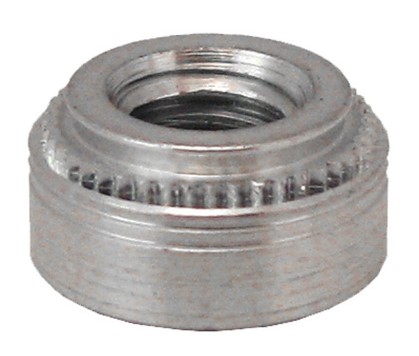
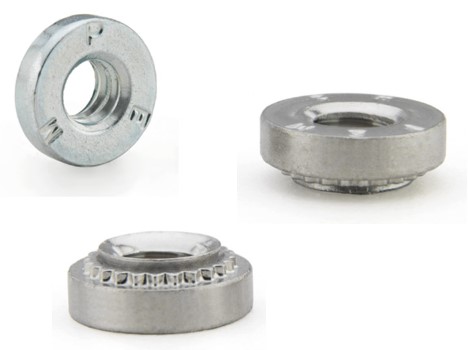
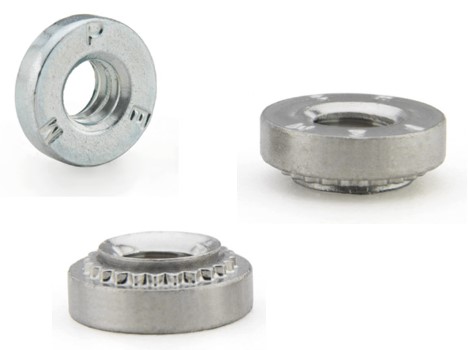
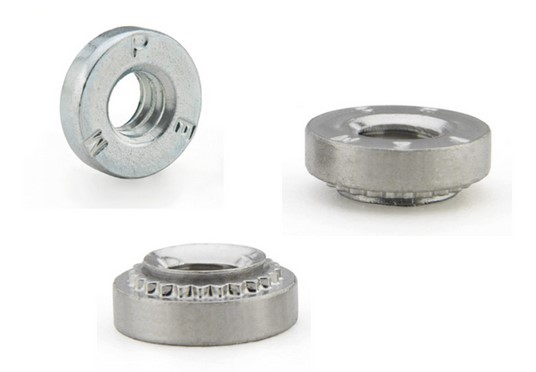
A self-clinching nut (PEM style) presses permanently into a punched or drilled hole in thin sheet metal, displacing material around a knurled collar so the nut becomes a flush, captive, strong thread — no welding and no back-side access required. They are the standard for sheet-metal enclosures, brackets, chassis, and electronics housings. Eugene Fastener & Supply stocks self-clinching nuts in steel and stainless.
Installed with a press (not a hammer), the nut sits flush on the back face and resists push-out and torque-out far better than a tapped hole in thin material. By the piece or in bulk, same-day shipping before 2pm Pacific.
Goes Well With
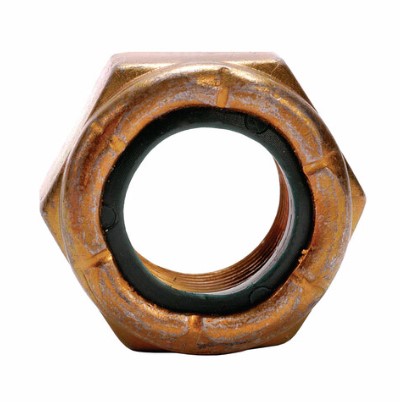
- EFSMS21042-06
- #6 - 32 SELF LOCKING NUT, MIL-SPEC, CAD PLATED
- F
- 0
- Weight: 0.0019800
| Diameter: | #6#6 |
| Thread pitch: | 3232 |
| Material: | SteelSteel |
| Finish: | CadmiumCadmium |
| Part Number: | EFSMS21042-06EFSMS21042-06 |
| Thread: | Self-Clinching (PEM) NutsSelf-Clinching (PEM) Nuts |
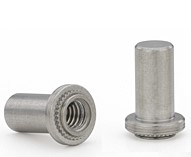
- EFSSCBF025C-1Z
- SELF-CLINCHING BLIND FASTENER
- F
- 0
- Weight: 0.0043400
| Diameter: | 1/41/4 |
| Thread pitch: | 2020 |
| Material: | SteelSteel |
| Finish: | |
| Part Number: | CAPBS-0420-1CAPBS-0420-1 |
| Thread: | Self-Clinching (PEM) NutsSelf-Clinching (PEM) Nuts |
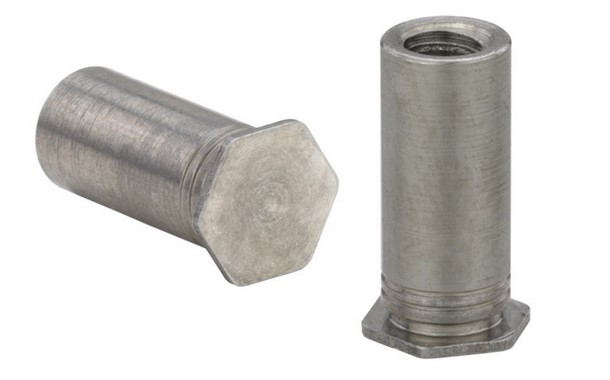
- EFSSCBSTO004C-10188
- SELF-CLINCHING BLIND THREADED STANDOFF
- F
- 0
- Weight: 0.0005500
| Diameter: | 44 |
| Thread pitch: | 4040 |
| Material: | SteelSteel |
| Finish: | PassivatedPassivated |
| Part Number: | |
| Thread: | Self-Clinching (PEM) NutsSelf-Clinching (PEM) Nuts |
- EFSSCBSTO004C-14Z
- SELF-CLINCHING BLIND THREADED STANDOFF #4-40 - 16, ZINC
- F
- 0
- Weight: 0.0005500
| Diameter: | #4#4 |
| Thread pitch: | 4040 |
| Material: | SteelSteel |
| Finish: | ZincZinc |
| Part Number: | |
| Thread: | Self-Clinching (PEM) NutsSelf-Clinching (PEM) Nuts |
- EFSSCBSTO004C-16Z
- SELF-CLINCHING BLIND THREADED STANDOFF #4-40 - 16, ZINC
- F
- 0
- Weight: 0.0005500
| Diameter: | #4#4 |
| Thread pitch: | 4040 |
| Material: | SteelSteel |
| Finish: | ZincZinc |
| Part Number: | |
| Thread: | Self-Clinching (PEM) NutsSelf-Clinching (PEM) Nuts |
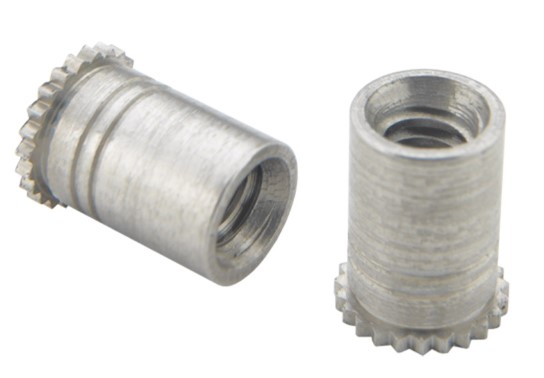
- EFSSCBSTO004C-250188
- SELF-CLINCHING, THREADED STANDOFF
- F
- 0
- Weight: 0.0003500
| Diameter: | 44 |
| Thread pitch: | 4040 |
| Material: | SteelSteel |
| Finish: | |
| Part Number: | CAPDSOS-440-250CAPDSOS-440-250 |
| Thread: | Self-Clinching (PEM) NutsSelf-Clinching (PEM) Nuts |
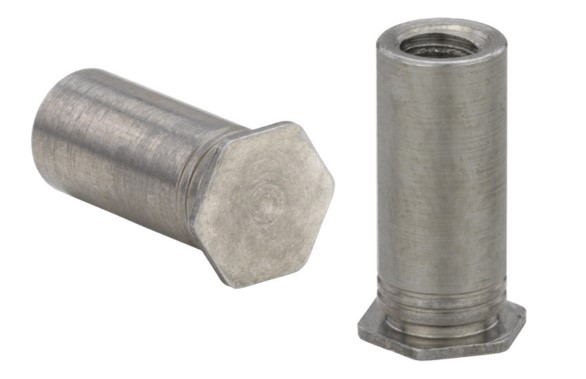
- EFSSCBSTO006C-10188
- SELF-CLINCHING BLIND THREADED STANDOFF
- F
- 0
- Weight: 0.0012000
| Diameter: | 66 |
| Thread pitch: | 3232 |
| Material: | SteelSteel |
| Finish: | |
| Part Number: | CAPBSOS-632-10CAPBSOS-632-10 |
| Thread: | Self-Clinching (PEM) NutsSelf-Clinching (PEM) Nuts |
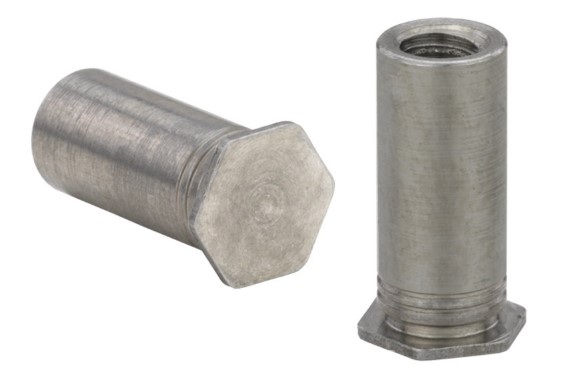
- EFSSCBSTO006C-12188
- SELF-CLINCHING BLIND THREADED STANDOFF
- F
- 0
- Weight: 0.0015000
| Diameter: | 66 |
| Thread pitch: | 3232 |
| Material: | SteelSteel |
| Finish: | |
| Part Number: | CAPBSOS-632-12CAPBSOS-632-12 |
| Thread: | Self-Clinching (PEM) NutsSelf-Clinching (PEM) Nuts |
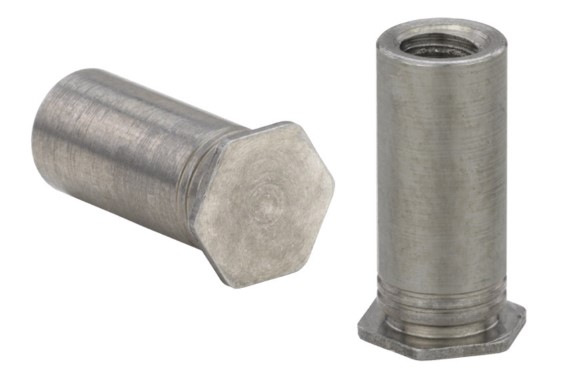
- EFSSCBSTO006C-28188
- SELF-CLINCHING BLIND THREADED STANDOFF
- F
- 0
- Weight: 0.0020200
| Diameter: | 66 |
| Thread pitch: | 3232 |
| Material: | SteelSteel |
| Finish: | |
| Part Number: | CAPBSOS-632-28CAPBSOS-632-28 |
| Thread: | Self-Clinching (PEM) NutsSelf-Clinching (PEM) Nuts |
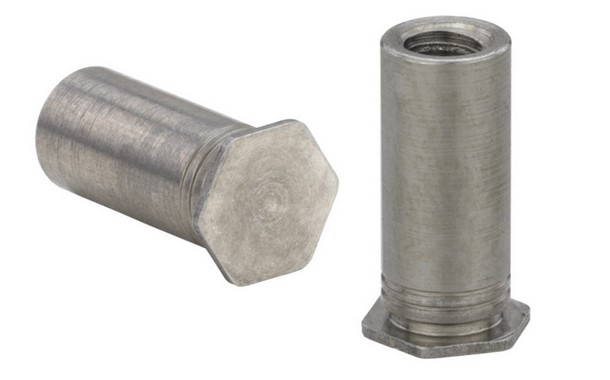
- EFSSCBSTO008C-16188
- SELF-CLINCHING BLIND THREADED STANDOFF
- F
- 0
- Weight: 0.0019700
| Diameter: | 88 |
| Thread pitch: | 3232 |
| Material: | SteelSteel |
| Finish: | PassivatedPassivated |
| Part Number: | |
| Thread: | Self-Clinching (PEM) NutsSelf-Clinching (PEM) Nuts |
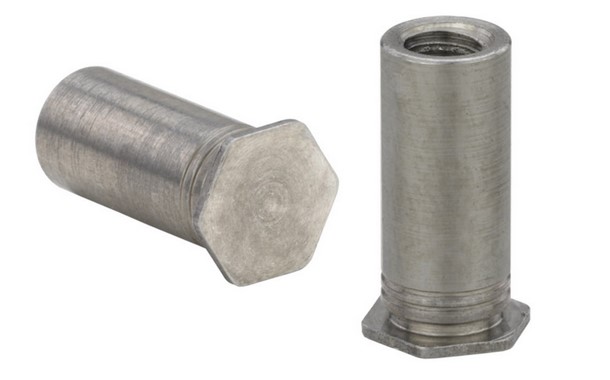
- EFSSCBSTO010F-16188
- SELF-CLINCHING BLIND THREADED STANDOFF
- F
- 0
- Weight: 0.0025300
| Diameter: | 1010 |
| Thread pitch: | 3232 |
| Material: | SteelSteel |
| Finish: | PassivatedPassivated |
| Part Number: | |
| Thread: | Self-Clinching (PEM) NutsSelf-Clinching (PEM) Nuts |
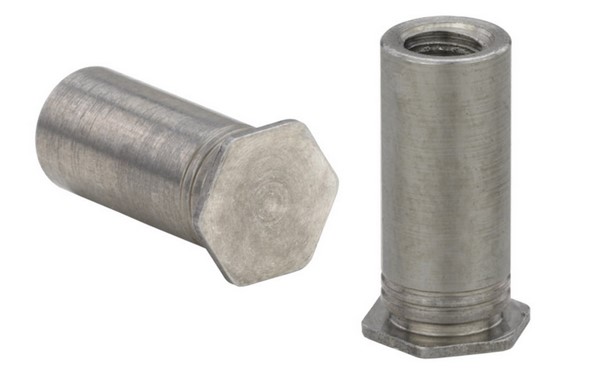
- EFSSCBSTOM03-8188
- SELF-CLINCHING BLIND THREADED STANDOFF
- F
- 0
- Weight: 0.0011900
| Diameter: | M3M3 |
| Thread pitch: | 0.50.5 |
| Material: | SteelSteel |
| Finish: | PassivatedPassivated |
| Part Number: | |
| Thread: | Self-Clinching (PEM) NutsSelf-Clinching (PEM) Nuts |
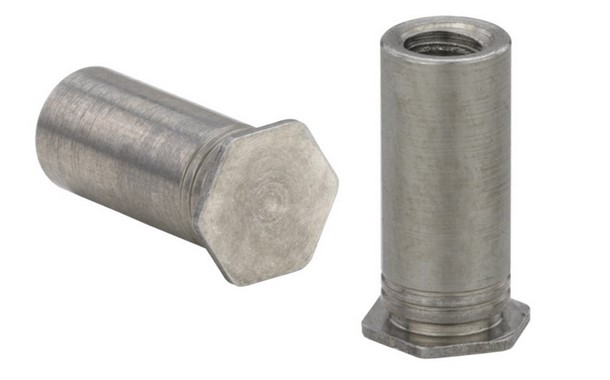
- EFSSCBSTOM04-8Z
- SELF-CLINCHING BLIND THREADED STANDOFF
- F
- 0
- Weight: 0.0010600
| Diameter: | M4M4 |
| Thread pitch: | 0.70.7 |
| Material: | SteelSteel |
| Finish: | ZincZinc |
| Part Number: | |
| Thread: | Self-Clinching (PEM) NutsSelf-Clinching (PEM) Nuts |
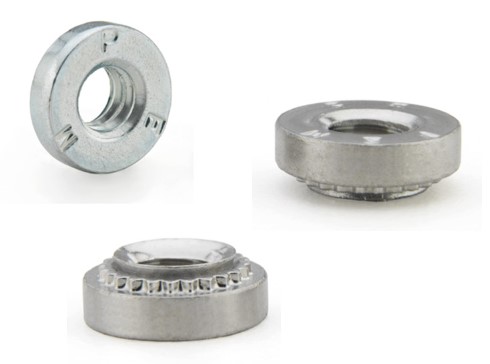
- EFSSCCHSTO006C-4188
- SELF-CLINCHING, CONCEALED HEAD, THREADED STANDOFF
- F
- 0
- Weight: 0.0020200
| Diameter: | 66 |
| Thread pitch: | 3232 |
| Material: | SteelSteel |
| Finish: | |
| Part Number: | CAPCSS-632-4CAPCSS-632-4 |
| Thread: | Self-Clinching (PEM) NutsSelf-Clinching (PEM) Nuts |
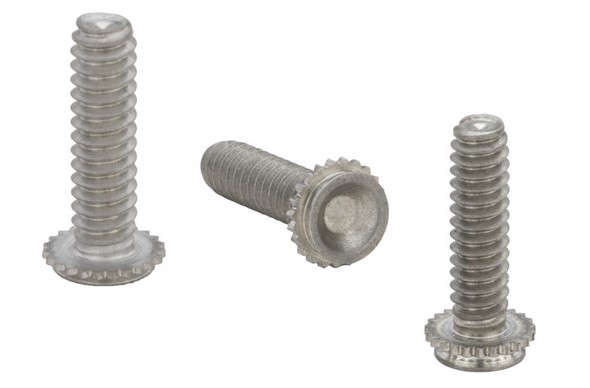
- EFSSCCHTS010F-16Z
- SELF-CLINCHING, CONCEALED HEAD, THREADED STUDS
- F
- 0
- Weight: 0.0028800
| Diameter: | 1010 |
| Thread pitch: | 3232 |
| Material: | SteelSteel |
| Finish: | PassivatedPassivated |
| Part Number: | |
| Thread: | Self-Clinching (PEM) NutsSelf-Clinching (PEM) Nuts |
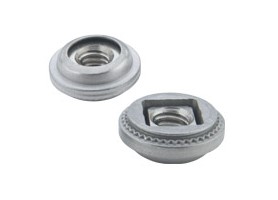
- EFSSCFN006C-2Z
- SELF-CLINCHING FLOATING NUT
- F
- 0
- Weight: 0.0200000
| Diameter: | 66 |
| Thread pitch: | 3232 |
| Material: | SteelSteel |
| Finish: | ZincZinc |
| Part Number: | |
| Thread: | Self-Clinching (PEM) NutsSelf-Clinching (PEM) Nuts |
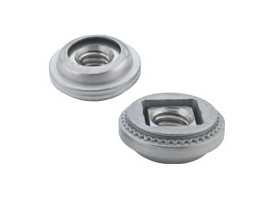
- EFSSCFNM4-1Z
- SELF-CLINCHING FLOATING NUT
- F
- 0
- Weight: 0.0015300
| Diameter: | M4M4 |
| Thread pitch: | 0.70.7 |
| Material: | SteelSteel |
| Finish: | PassivatedPassivated |
| Part Number: | |
| Thread: | Self-Clinching (PEM) NutsSelf-Clinching (PEM) Nuts |
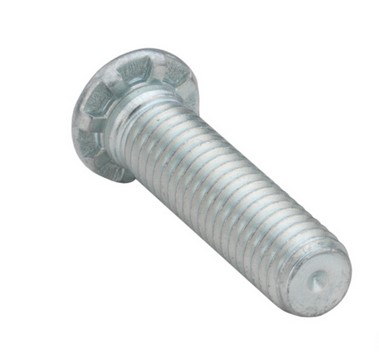
- EFSSCHSS032C-12Z
- SELF-CLINCHING HIGH STRENGTH STUDS
- F
- 0
- Weight: 0.0173000
| Diameter: | 1/41/4 |
| Thread pitch: | 2020 |
| Material: | SteelSteel |
| Finish: | PassivatedPassivated |
| Part Number: | |
| Thread: | Self-Clinching (PEM) NutsSelf-Clinching (PEM) Nuts |
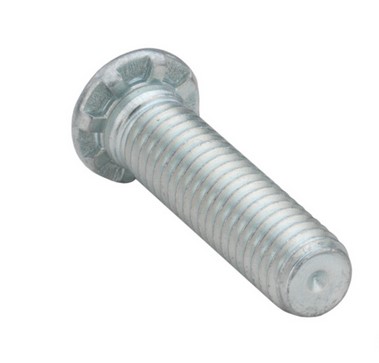
- EFSSCHSS037C-12Z
- SELF-CLINCHING HIGH STRENGTH STUDS
- F
- 0
- Weight: 0.0271000
| Diameter: | 3/83/8 |
| Thread pitch: | 1616 |
| Material: | SteelSteel |
| Finish: | PassivatedPassivated |
| Part Number: | |
| Thread: | Self-Clinching (PEM) NutsSelf-Clinching (PEM) Nuts |
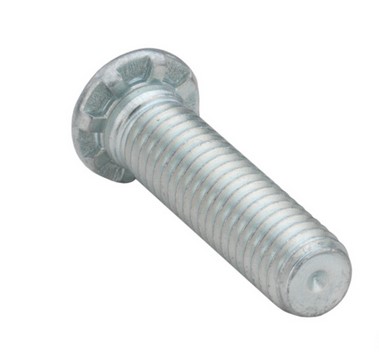
- EFSSCHSS25C-12Z
- SELF-CLINCHING HIGH STRENGTH STUDS
- F
- 0
- Weight: 0.0070500
| Diameter: | 1/41/4 |
| Thread pitch: | 2020 |
| Material: | SteelSteel |
| Finish: | PassivatedPassivated |
| Part Number: | |
| Thread: | Self-Clinching (PEM) NutsSelf-Clinching (PEM) Nuts |
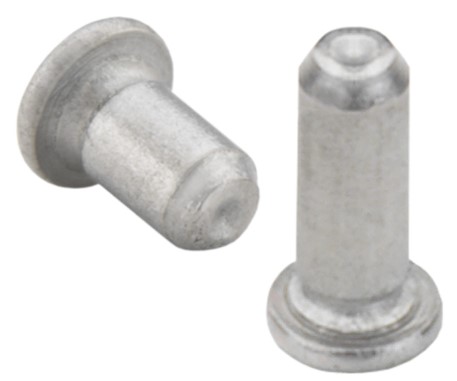
- EFSSCMPM02-6Z
- SELF-CLINCHING MICRO PINS
- F
- 0
- Weight: 0.0006000
| Diameter: | M2M2 |
| Thread pitch: | |
| Material: | SteelSteel |
| Finish: | |
| Part Number: | CAPMPP-2MM-6CAPMPP-2MM-6 |
| Thread: | Self-Clinching (PEM) NutsSelf-Clinching (PEM) Nuts |
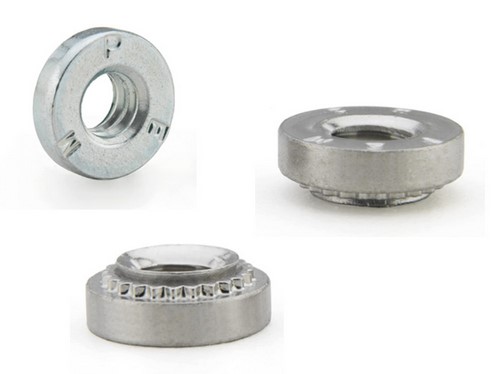
- EFSSCN004C-2Z
- SELF-CLINCHING NUT
- F
- 0
- Weight: 0.0003500
| Diameter: | 44 |
| Thread pitch: | 4040 |
| Material: | SteelSteel |
| Finish: | ZincZinc |
| Part Number: | |
| Thread: | Self-Clinching (PEM) NutsSelf-Clinching (PEM) Nuts |
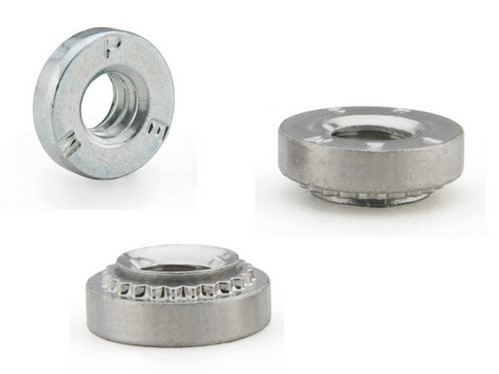
- EFSSCN006C-1Z
- SELF-CLINCHING NUT
- F
- 0
- Weight: 0.0020200
| Diameter: | 66 |
| Thread pitch: | 3232 |
| Material: | SteelSteel |
| Finish: | ZincZinc |
| Part Number: | |
| Thread: | Self-Clinching (PEM) NutsSelf-Clinching (PEM) Nuts |
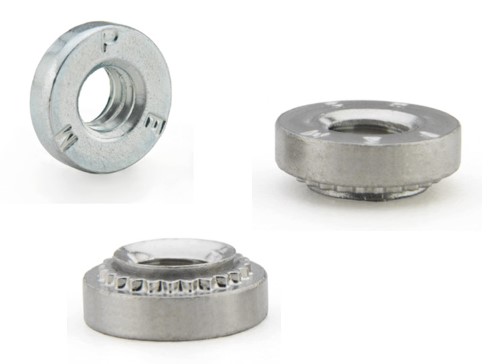
- EFSSCN006C-2188
- SELF-CLINCHING NUTS
- F
- 0
- Weight: 0.0020200
| Diameter: | #6#6 |
| Thread pitch: | 3232 |
| Material: | SteelSteel |
| Finish: | PlainPlain |
| Part Number: | CAPCLS-632-2CAPCLS-632-2 |
| Thread: | Self-Clinching (PEM) NutsSelf-Clinching (PEM) Nuts |
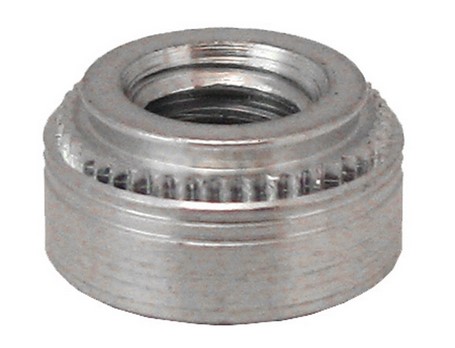
- EFSSCN006C-2A
- SELF-CLINCHING NUTS
- F
- 0
- Weight: 0.0020200
| Diameter: | 66 |
| Thread pitch: | 3232 |
| Material: | SteelSteel |
| Finish: | PlainPlain |
| Part Number: | |
| Thread: | Self-Clinching (PEM) NutsSelf-Clinching (PEM) Nuts |
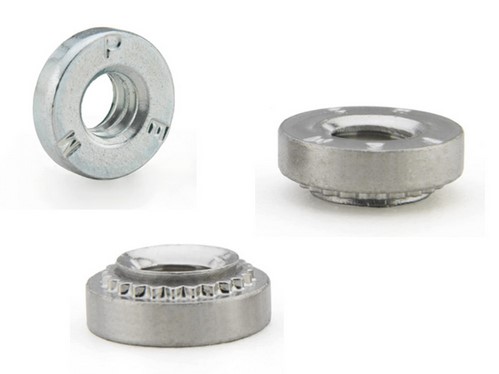
- EFSSCN008C-0Z
- SELF-CLINCHING NUT
- F
- 0
- Weight: 0.0025900
| Diameter: | 88 |
| Thread pitch: | 3232 |
| Material: | SteelSteel |
| Finish: | ZincZinc |
| Part Number: | |
| Thread: | Self-Clinching (PEM) NutsSelf-Clinching (PEM) Nuts |
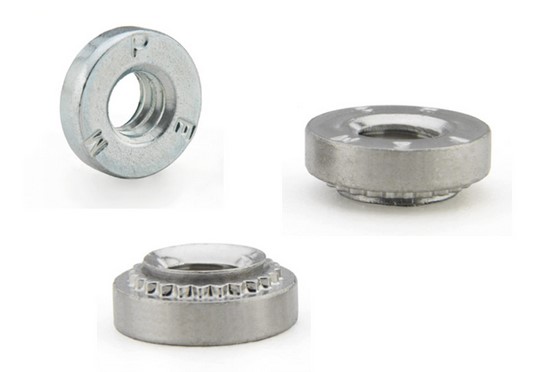
- EFSSCN008C-1188
- SELF-CLINCHING NUTS
- F
- 0
- Weight: 0.0015000
| Diameter: | 88 |
| Thread pitch: | 3232 |
| Material: | SteelSteel |
| Finish: | PassivatedPassivated |
| Part Number: | |
| Thread: | Self-Clinching (PEM) NutsSelf-Clinching (PEM) Nuts |
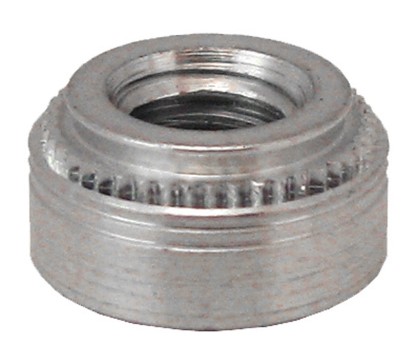
- EFSSCN008C-1A
- SELF-CLINCHING NUTS
- F
- 0
- Weight: 0.0020200
| Diameter: | 88 |
| Thread pitch: | 3232 |
| Material: | SteelSteel |
| Finish: | |
| Part Number: | CAPCLA-832-1CAPCLA-832-1 |
| Thread: | Self-Clinching (PEM) NutsSelf-Clinching (PEM) Nuts |
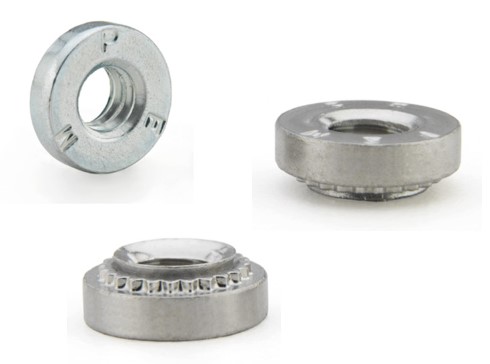
- EFSSCN008C-2188
- SELF-CLINCHING NUTS
- F
- 0
- Weight: 0.0015000
| Diameter: | #8#8 |
| Thread pitch: | 3232 |
| Material: | SteelSteel |
| Finish: | PlainPlain |
| Part Number: | CAPCLS-832-2CAPCLS-832-2 |
| Thread: | Self-Clinching (PEM) NutsSelf-Clinching (PEM) Nuts |
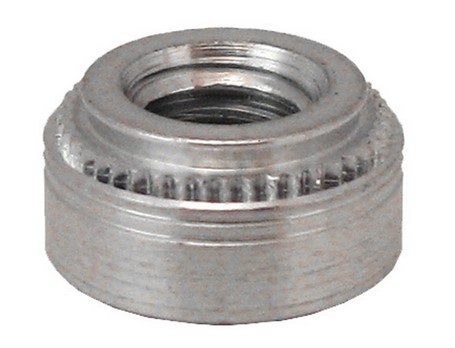
- EFSSCN008C-2A
- SELF-CLINCHING NUTS
- F
- 0
- Weight: 0.0025900
| Diameter: | 88 |
| Thread pitch: | 3232 |
| Material: | SteelSteel |
| Finish: | PlainPlain |
| Part Number: | |
| Thread: | Self-Clinching (PEM) NutsSelf-Clinching (PEM) Nuts |
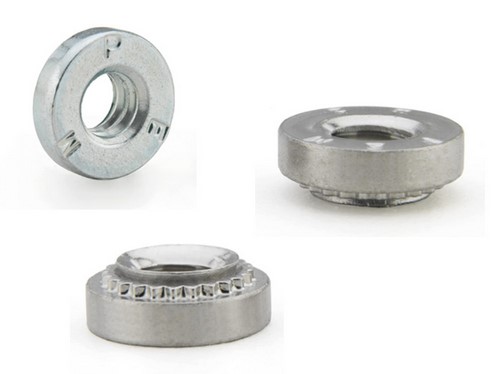
- EFSSCN008C-2Z
- SELF-CLINCHING NUT
- F
- 0
- Weight: 0.0025900
| Diameter: | 88 |
| Thread pitch: | 3232 |
| Material: | SteelSteel |
| Finish: | ZincZinc |
| Part Number: | |
| Thread: | Self-Clinching (PEM) NutsSelf-Clinching (PEM) Nuts |
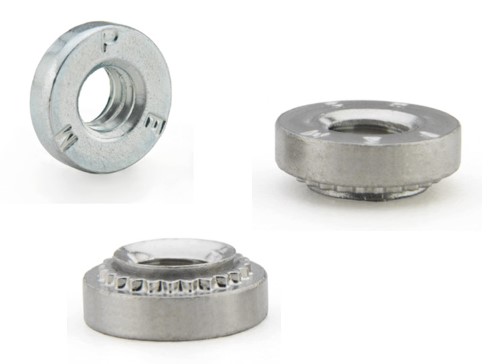
- EFSSCN008C-3188
- SELF-CLINCHING NUTS
- F
- 0
- Weight: 0.0025900
| Diameter: | 88 |
| Thread pitch: | 3232 |
| Material: | SteelSteel |
| Finish: | |
| Part Number: | CAPCLS-832-3CAPCLS-832-3 |
| Thread: | Self-Clinching (PEM) NutsSelf-Clinching (PEM) Nuts |
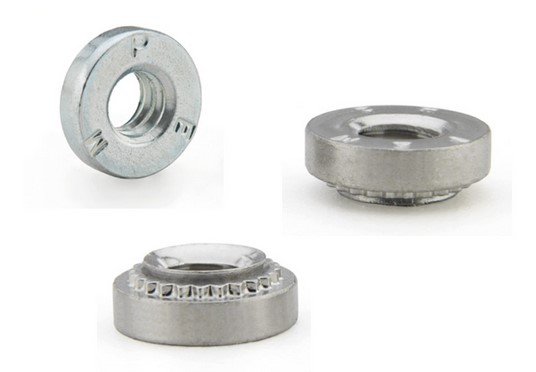
- EFSSCN010C-2188
- SELF-CLINCHING NUTS
- F
- 0
- Weight: 0.0015000
| Diameter: | 1010 |
| Thread pitch: | 2424 |
| Material: | SteelSteel |
| Finish: | PassivatedPassivated |
| Part Number: | |
| Thread: | Self-Clinching (PEM) NutsSelf-Clinching (PEM) Nuts |
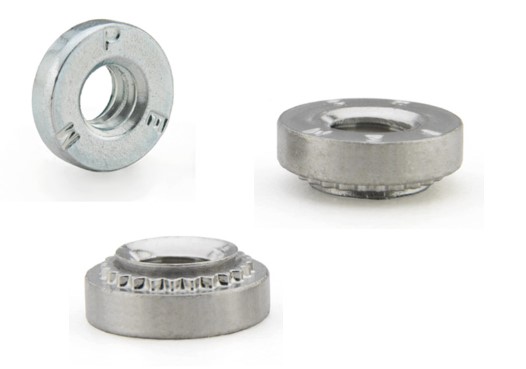
- EFSSCN010C-3Z
- SELF-CLINCHING NUT
- F
- 0
- Weight: 0.0028800
| Diameter: | 1010 |
| Thread pitch: | 2424 |
| Material: | SteelSteel |
| Finish: | |
| Part Number: | CAPSS-024-3CAPSS-024-3 |
| Thread: | Self-Clinching (PEM) NutsSelf-Clinching (PEM) Nuts |
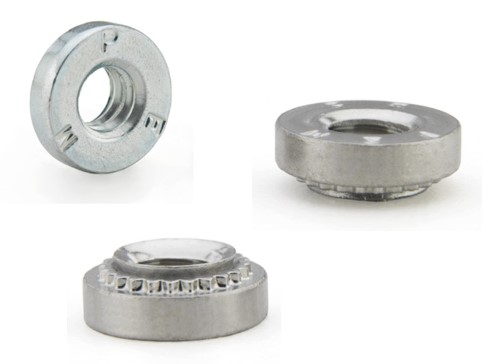
- EFSSCN010F-2188
- SELF-CLINCHING NUTS
- F
- 0
- Weight: 0.0015000
| Diameter: | #10#10 |
| Thread pitch: | 3232 |
| Material: | SteelSteel |
| Finish: | PlainPlain |
| Part Number: | CAPCLSS-032-2CAPCLSS-032-2 |
| Thread: | Self-Clinching (PEM) NutsSelf-Clinching (PEM) Nuts |
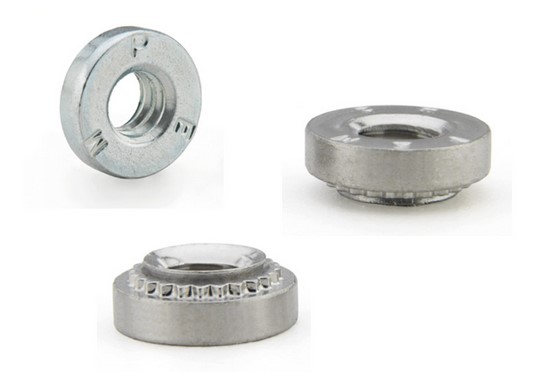
- EFSSCN025C-1188
- SELF-CLINCHING NUTS
- F
- 0
- Weight: 0.0028800
| Diameter: | 1/41/4 |
| Thread pitch: | 2020 |
| Material: | SteelSteel |
| Finish: | PassivatedPassivated |
| Part Number: | |
| Thread: | Self-Clinching (PEM) NutsSelf-Clinching (PEM) Nuts |
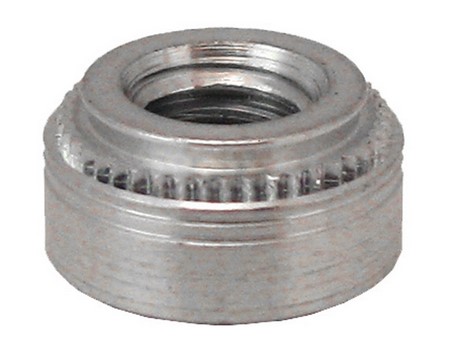
- EFSSCN025C-1A
- SELF-CLINCHING NUTS
- F
- 0
- Weight: 0.0028800
| Diameter: | 1/41/4 |
| Thread pitch: | 2020 |
| Material: | SteelSteel |
| Finish: | PlainPlain |
| Part Number: | |
| Thread: | Self-Clinching (PEM) NutsSelf-Clinching (PEM) Nuts |
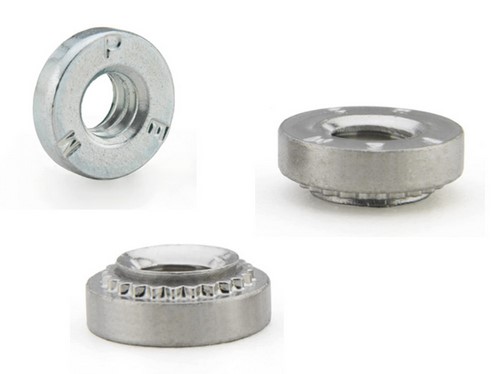
- EFSSCN025C-1Z
- SELF-CLINCHING NUT
- F
- 0
- Weight: 0.0070500
| Diameter: | 1/41/4 |
| Thread pitch: | 2020 |
| Material: | SteelSteel |
| Finish: | ZincZinc |
| Part Number: | |
| Thread: | Self-Clinching (PEM) NutsSelf-Clinching (PEM) Nuts |
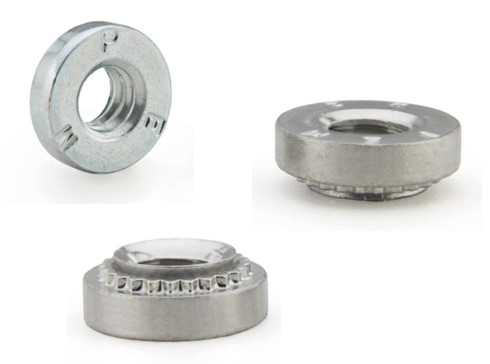
- EFSSCN025C-2188
- SELF-CLINCHING NUTS
- F
- 0
- Weight: 0.0028800
| Diameter: | 1/41/4 |
| Thread pitch: | 2020 |
| Material: | SteelSteel |
| Finish: | |
| Part Number: | CAPCLS-0420-2CAPCLS-0420-2 |
| Thread: | Self-Clinching (PEM) NutsSelf-Clinching (PEM) Nuts |
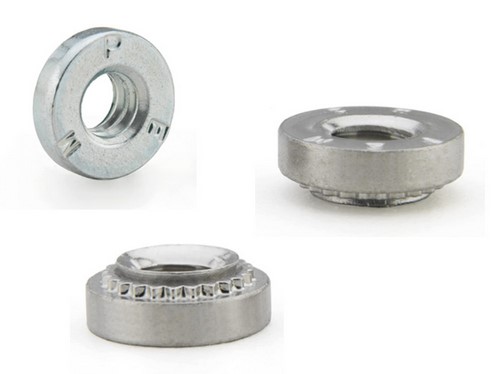
- EFSSCN025C-2Z
- SELF-CLINCHING NUT
- F
- 0
- Weight: 0.0070500
| Diameter: | 1/41/4 |
| Thread pitch: | 2020 |
| Material: | SteelSteel |
| Finish: | ZincZinc |
| Part Number: | |
| Thread: | Self-Clinching (PEM) NutsSelf-Clinching (PEM) Nuts |
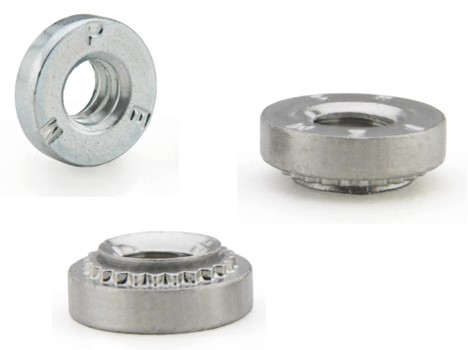
- EFSSCN032C-3Z
- SELF-CLINCHING NUT
- F
- 0
- Weight: 0.0058000
| Diameter: | 5/165/16 |
| Thread pitch: | 1818 |
| Material: | SteelSteel |
| Finish: | |
| Part Number: | CAPS-0518-3ZICAPS-0518-3ZI |
| Thread: | Self-Clinching (PEM) NutsSelf-Clinching (PEM) Nuts |
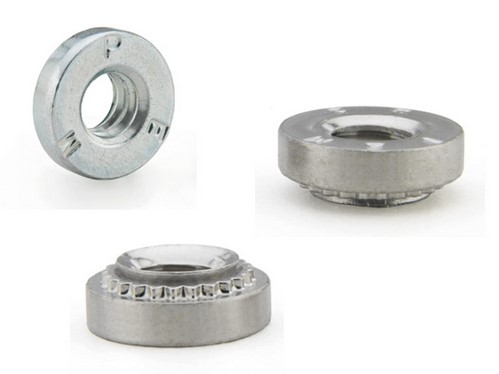
- EFSSCN037C-1Z
- SELF-CLINCHING NUT
- F
- 0
- Weight: 0.0151000
| Diameter: | 3/83/8 |
| Thread pitch: | 1616 |
| Material: | SteelSteel |
| Finish: | ZincZinc |
| Part Number: | |
| Thread: | Self-Clinching (PEM) NutsSelf-Clinching (PEM) Nuts |
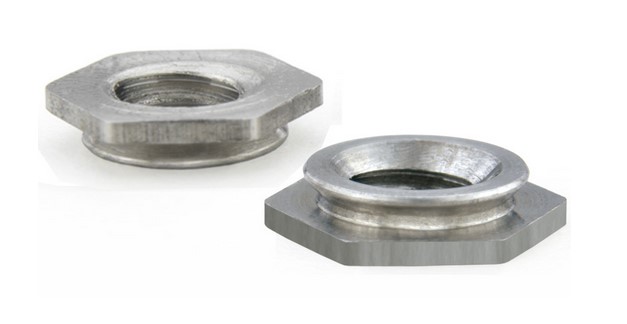
- EFSSCNF004C-2
- SELF-CLINCHING NUT, FLUSH
- F
- 0
- Weight: 0.0003500
| Diameter: | 44 |
| Thread pitch: | 4040 |
| Material: | SteelSteel |
| Finish: | PassivatedPassivated |
| Part Number: | |
| Thread: | Self-Clinching (PEM) NutsSelf-Clinching (PEM) Nuts |
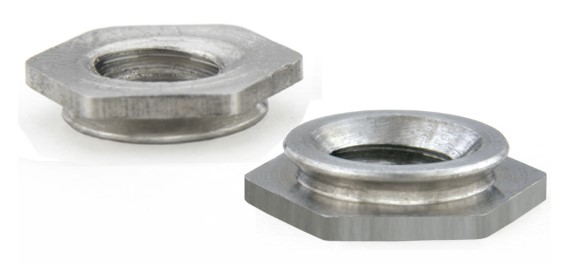
- EFSSCNF006C-1Z
- SELF-CLINCHING NUT, FLUSH
- F
- 0
- Weight: 0.0020200
| Diameter: | 66 |
| Thread pitch: | 3232 |
| Material: | SteelSteel |
| Finish: | |
| Part Number: | CAPF-632-1CAPF-632-1 |
| Thread: | Self-Clinching (PEM) NutsSelf-Clinching (PEM) Nuts |
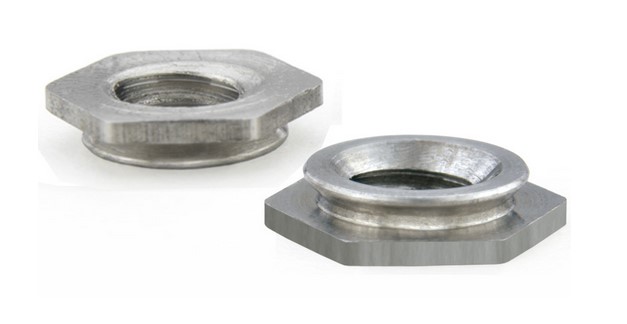
- EFSSCNF008C-1Z
- SELF-CLINCHING NUT, FLUSH
- F
- 0
- Weight: 0.0025900
| Diameter: | 88 |
| Thread pitch: | 3232 |
| Material: | SteelSteel |
| Finish: | PassivatedPassivated |
| Part Number: | |
| Thread: | Self-Clinching (PEM) NutsSelf-Clinching (PEM) Nuts |
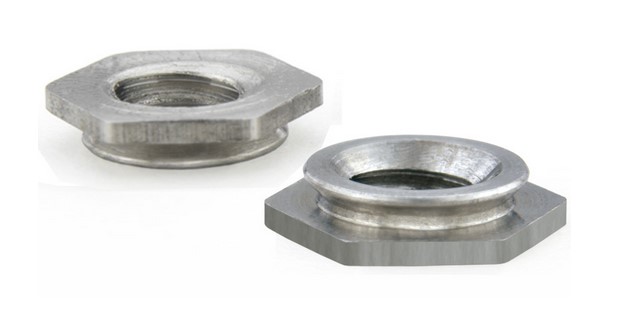
- EFSSCNF010F-1
- SELF-CLINCHING NUT, FLUSH
- F
- 0
- Weight: 0.0028800
| Diameter: | 1010 |
| Thread pitch: | 3232 |
| Material: | SteelSteel |
| Finish: | PassivatedPassivated |
| Part Number: | |
| Thread: | Self-Clinching (PEM) NutsSelf-Clinching (PEM) Nuts |
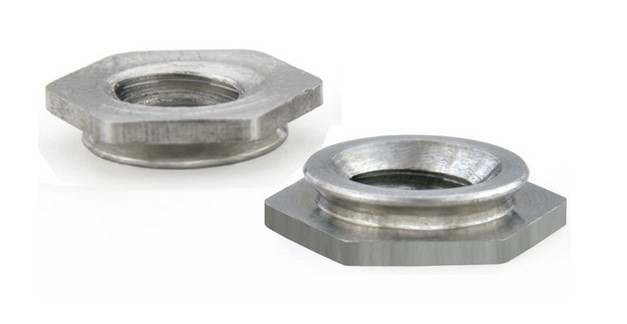
- EFSSCNF025C-3
- SELF-CLINCHING NUT, FLUSH
- F
- 0
- Weight: 0.0028800
| Diameter: | 1/41/4 |
| Thread pitch: | 2020 |
| Material: | SteelSteel |
| Finish: | PassivatedPassivated |
| Part Number: | |
| Thread: | Self-Clinching (PEM) NutsSelf-Clinching (PEM) Nuts |
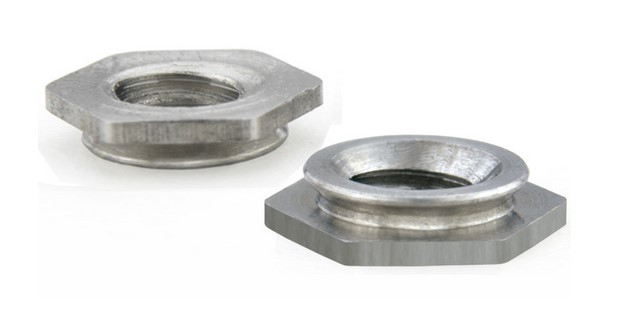
- EFSSCNFM03-1Z
- SELF-CLINCHING NUT, FLUSH
- F
- 0
- Weight: 0.0009000
| Diameter: | M3M3 |
| Thread pitch: | 0.50.5 |
| Material: | SteelSteel |
| Finish: | PassivatedPassivated |
| Part Number: | |
| Thread: | Self-Clinching (PEM) NutsSelf-Clinching (PEM) Nuts |
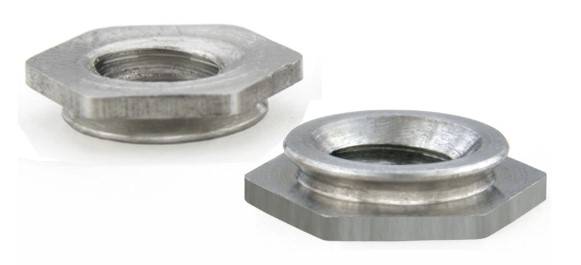
- EFSSCNFM04-1Z
- SELF-CLINCHING NUT, FLUSH
- F
- 0
- Weight: 0.0015300
| Diameter: | M4M4 |
| Thread pitch: | |
| Material: | SteelSteel |
| Finish: | |
| Part Number: | CAPF-M4-1CAPF-M4-1 |
| Thread: | Self-Clinching (PEM) NutsSelf-Clinching (PEM) Nuts |
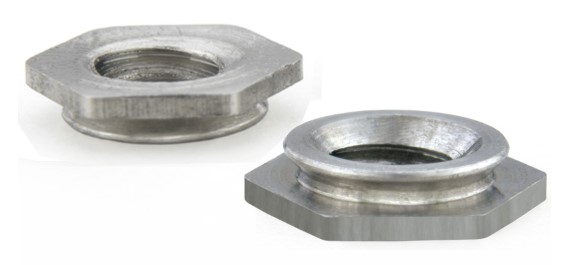
- EFSSCNFM04-2Z
- SELF-CLINCHING NUT, FLUSH
- F
- 0
- Weight: 0.0015300
| Diameter: | M4M4 |
| Thread pitch: | 0.700.70 |
| Material: | SteelSteel |
| Finish: | PlainPlain |
| Part Number: | CAPF-M4-2CAPF-M4-2 |
| Thread: | Self-Clinching (PEM) NutsSelf-Clinching (PEM) Nuts |
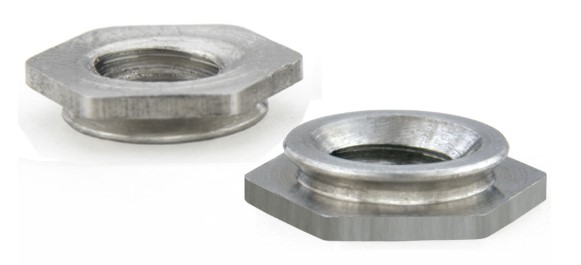
- EFSSCNFM05-2Z
- SELF-CLINCHING NUT, FLUSH
- F
- 0
- Weight: 0.0027100
| Diameter: | M5M5 |
| Thread pitch: | 0.800.80 |
| Material: | SteelSteel |
| Finish: | PlainPlain |
| Part Number: | CAPF-M5-2CAPF-M5-2 |
| Thread: | Self-Clinching (PEM) NutsSelf-Clinching (PEM) Nuts |
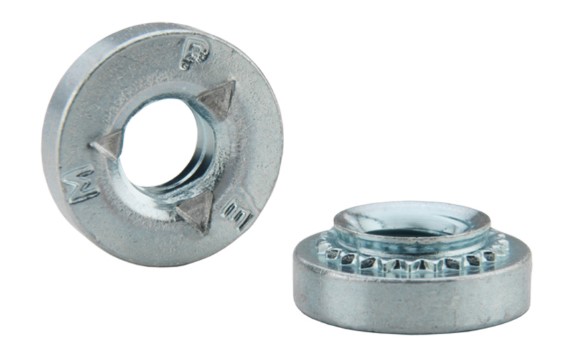
- EFSSCNL0010F-2Z
- SELF-CLINCHING NUT, SELF-LOCKING
- F
- 0
- Weight: 0.0028800
| Diameter: | #10#10 |
| Thread pitch: | 3232 |
| Material: | SteelSteel |
| Finish: | ZincZinc |
| Part Number: | CAPSL-032-2ZICAPSL-032-2ZI |
| Thread: | Self-Clinching (PEM) NutsSelf-Clinching (PEM) Nuts |
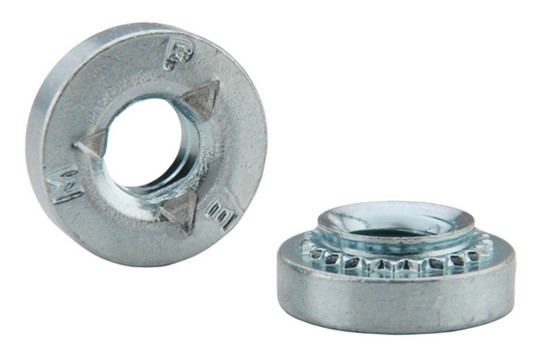
- EFSSCNLM03-2Z
- SELF-CLINCHING NUT, SELF-LOCKING
- F
- 0
- Weight: 0.0009000
| Diameter: | M3M3 |
| Thread pitch: | 0.50.5 |
| Material: | SteelSteel |
| Finish: | ZincZinc |
| Part Number: | |
| Thread: | Self-Clinching (PEM) NutsSelf-Clinching (PEM) Nuts |
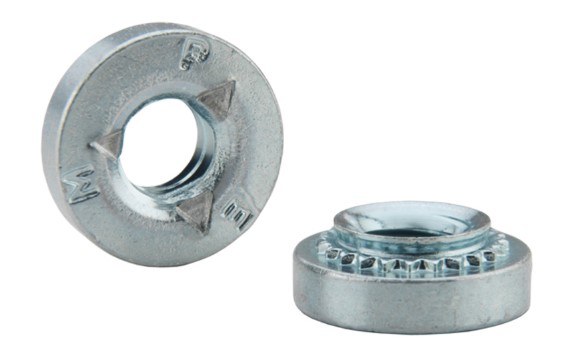
- EFSSCNLM05-1Z
- SELF-CLINCHING NUT, SELF-LOCKING
- F
- 0
- Weight: 0.0027100
| Diameter: | M5M5 |
| Thread pitch: | |
| Material: | SteelSteel |
| Finish: | |
| Part Number: | CAPSL-M5-1CAPSL-M5-1 |
| Thread: | Self-Clinching (PEM) NutsSelf-Clinching (PEM) Nuts |
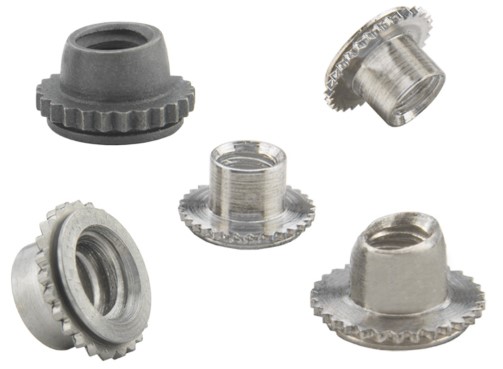
- EFSSCNM004C
- SELF-CLINCHING NUT, MINIATURE
- F
- 0
- Weight: 0.0003500
| Diameter: | 44 |
| Thread pitch: | 4040 |
| Material: | SteelSteel |
| Finish: | |
| Part Number: | CAPFEOX-440CAPFEOX-440 |
| Thread: | Self-Clinching (PEM) NutsSelf-Clinching (PEM) Nuts |
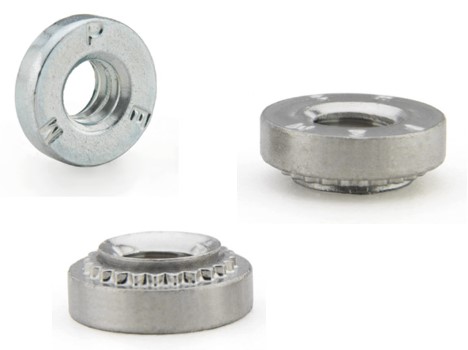
- EFSSCNM02-2Z
- SELF-CLINCHING NUT
- F
- 0
- Weight: 0.0007000
| Diameter: | M2M2 |
| Thread pitch: | |
| Material: | SteelSteel |
| Finish: | |
| Part Number: | CAPS-M2-2ZICAPS-M2-2ZI |
| Thread: | Self-Clinching (PEM) NutsSelf-Clinching (PEM) Nuts |
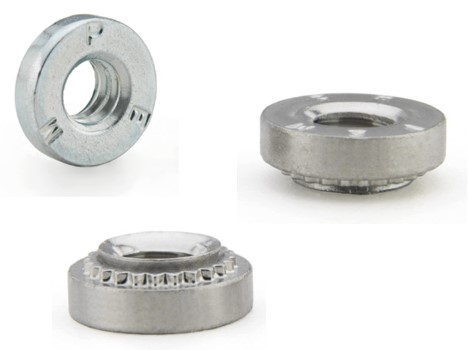
- EFSSCNM02.5*2Z
- SELF-CLINCHING NUT
- F
- 0
- Weight: 0.0007000
| Diameter: | M2.50M2.50 |
| Thread pitch: | 0.400.40 |
| Material: | SteelSteel |
| Finish: | ZincZinc |
| Part Number: | CAPS-M2.5-2ZICAPS-M2.5-2ZI |
| Thread: | Self-Clinching (PEM) NutsSelf-Clinching (PEM) Nuts |
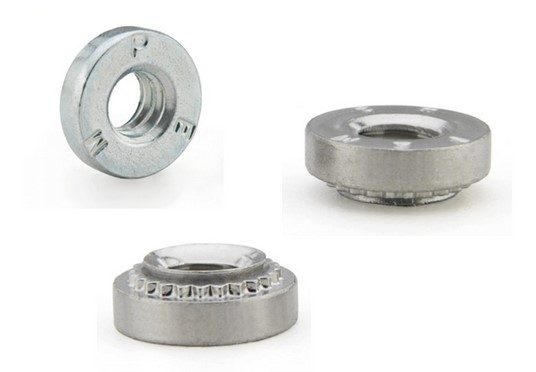
- EFSSCNM03-0188
- SELF-CLINCHING NUTS
- F
- 0
- Weight: 0.0009000
| Diameter: | M3M3 |
| Thread pitch: | 0.50.5 |
| Material: | SteelSteel |
| Finish: | PassivatedPassivated |
| Part Number: | |
| Thread: | Self-Clinching (PEM) NutsSelf-Clinching (PEM) Nuts |
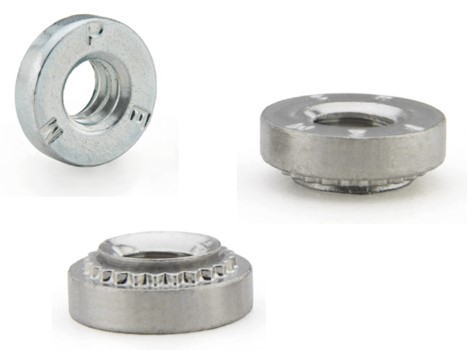
- EFSSCNM03-0Z
- SELF-CLINCHING NUT
- F
- 0
- Weight: 0.0008500
| Diameter: | M3M3 |
| Thread pitch: | 0.500.50 |
| Material: | SteelSteel |
| Finish: | ZincZinc |
| Part Number: | CAPS-M3-0CAPS-M3-0 |
| Thread: | Self-Clinching (PEM) NutsSelf-Clinching (PEM) Nuts |
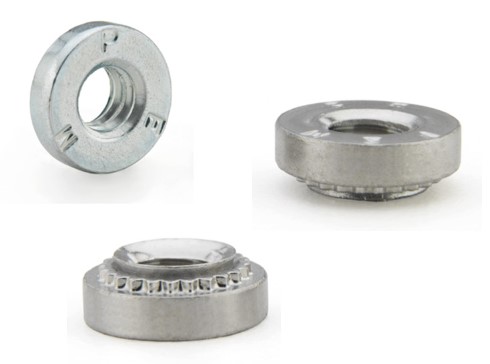
- EFSSCNM03-1188
- SELF-CLINCHING NUTS
- F
- 0
- Weight: 0.0008500
| Diameter: | M3M3 |
| Thread pitch: | 0.500.50 |
| Material: | SteelSteel |
| Finish: | PlainPlain |
| Part Number: | CAPCLS-M3-1CAPCLS-M3-1 |
| Thread: | Self-Clinching (PEM) NutsSelf-Clinching (PEM) Nuts |
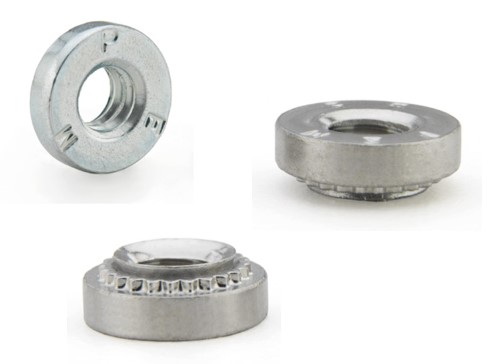
- EFSSCNM03-2188
- SELF-CLINCHING NUTS
- F
- 0
- Weight: 0.0008400
| Diameter: | M3M3 |
| Thread pitch: | 0.500.50 |
| Material: | SteelSteel |
| Finish: | PlainPlain |
| Part Number: | CAPCLS-M3-2CAPCLS-M3-2 |
| Thread: | Self-Clinching (PEM) NutsSelf-Clinching (PEM) Nuts |
- EFSSCNM03-2A
- SELF-CLINCHING NUTS
- F
- 0
- Weight: 0.0008500
| Diameter: | M3M3 |
| Thread pitch: | 0.500.50 |
| Material: | SteelSteel |
| Finish: | PlainPlain |
| Part Number: | CAPCLA-M3-2CAPCLA-M3-2 |
| Thread: | Self-Clinching (PEM) NutsSelf-Clinching (PEM) Nuts |
- EFSSCNM03-2Z
- SELF-CLINCHING NUT
- F
- 0
- Weight: 0.0008500
| Diameter: | M3M3 |
| Thread pitch: | 0.500.50 |
| Material: | SteelSteel |
| Finish: | ZincZinc |
| Part Number: | CAPS-M3-2ZICAPS-M3-2ZI |
| Thread: | Self-Clinching (PEM) NutsSelf-Clinching (PEM) Nuts |
- EFSSCNM03.5-1Z
- SELF-CLINCHING NUT
- F
- 0
- Weight: 0.0009000
| Diameter: | M3.5M3.5 |
| Thread pitch: | |
| Material: | SteelSteel |
| Finish: | |
| Part Number: | CAPS-M3.5-1ZICAPS-M3.5-1ZI |
| Thread: | Self-Clinching (PEM) NutsSelf-Clinching (PEM) Nuts |
- EFSSCNM035-1188
- SELF-CLINCHING NUTS
- F
- 0
- Weight: 0.0009000
| Diameter: | M3.5M3.5 |
| Thread pitch: | 0.60.6 |
| Material: | SteelSteel |
| Finish: | PassivatedPassivated |
| Part Number: | |
| Thread: | Self-Clinching (PEM) NutsSelf-Clinching (PEM) Nuts |
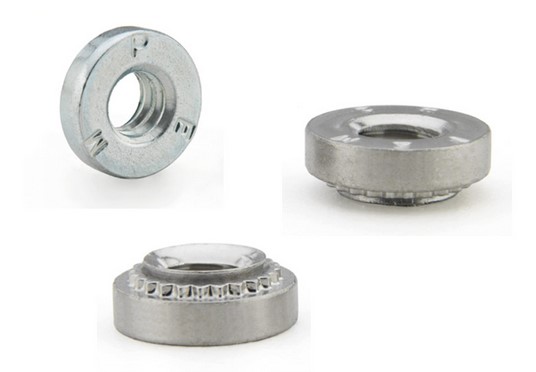
- EFSSCNM035-2188
- SELF-CLINCHING NUTS
- F
- 0
- Weight: 0.0009000
| Diameter: | M3.5M3.5 |
| Thread pitch: | 0.60.6 |
| Material: | SteelSteel |
| Finish: | PassivatedPassivated |
| Part Number: | |
| Thread: | Self-Clinching (PEM) NutsSelf-Clinching (PEM) Nuts |
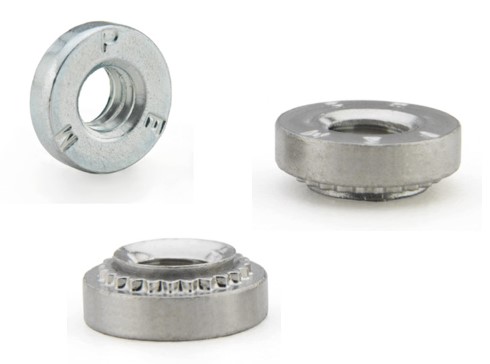
- EFSSCNM04-1188
- SELF-CLINCHING NUTS
- F
- 0
- Weight: 0.0015000
| Diameter: | M4M4 |
| Thread pitch: | 1.001.00 |
| Material: | SteelSteel |
| Finish: | PlainPlain |
| Part Number: | CAPCLS-M4-1CAPCLS-M4-1 |
| Thread: | Self-Clinching (PEM) NutsSelf-Clinching (PEM) Nuts |
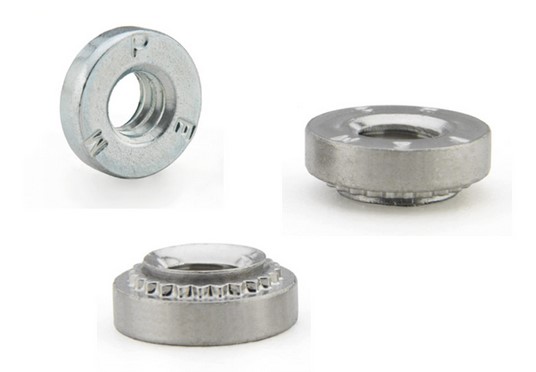
- EFSSCNM04-2188
- SELF-CLINCHING NUTS
- F
- 0
- Weight: 0.0240000
| Diameter: | M4M4 |
| Thread pitch: | 0.70.7 |
| Material: | SteelSteel |
| Finish: | PassivatedPassivated |
| Part Number: | |
| Thread: | Self-Clinching (PEM) NutsSelf-Clinching (PEM) Nuts |
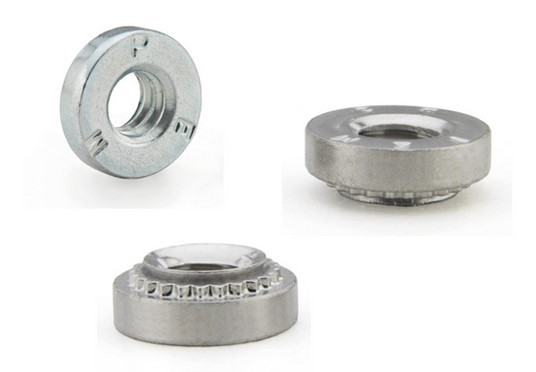
- EFSSCNM05-1188
- SELF-CLINCHING NUTS
- F
- 0
- Weight: 0.0015000
| Diameter: | M5M5 |
| Thread pitch: | 0.80.8 |
| Material: | SteelSteel |
| Finish: | PassivatedPassivated |
| Part Number: | |
| Thread: | Self-Clinching (PEM) NutsSelf-Clinching (PEM) Nuts |
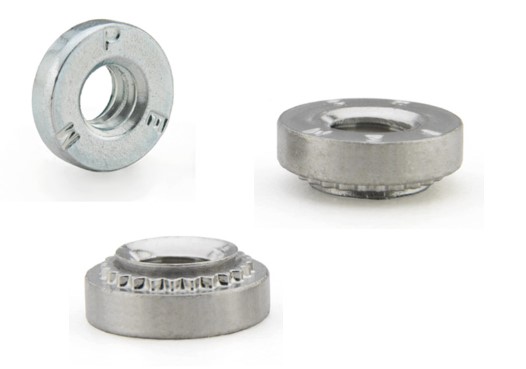
- EFSSCNM05-2Z
- SELF-CLINCHING NUT
- F
- 0
- Weight: 0.0027100
| Diameter: | M5M5 |
| Thread pitch: | 0.800.80 |
| Material: | SteelSteel |
| Finish: | ZincZinc |
| Part Number: | CAPSS-M5-2ZICAPSS-M5-2ZI |
| Thread: | Self-Clinching (PEM) NutsSelf-Clinching (PEM) Nuts |
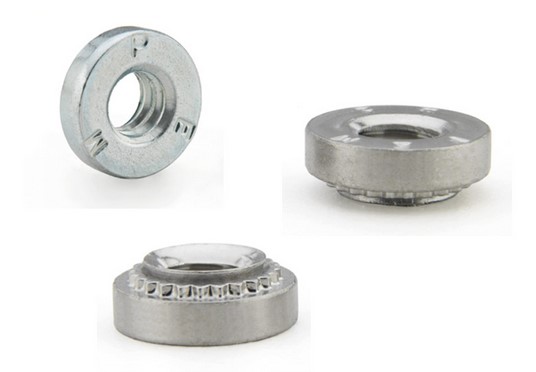
- EFSSCNM06-1188
- SELF-CLINCHING NUTS
- F
- 0
- Weight: 0.0055100
| Diameter: | M6M6 |
| Thread pitch: | 11 |
| Material: | SteelSteel |
| Finish: | PassivatedPassivated |
| Part Number: | |
| Thread: | Self-Clinching (PEM) NutsSelf-Clinching (PEM) Nuts |
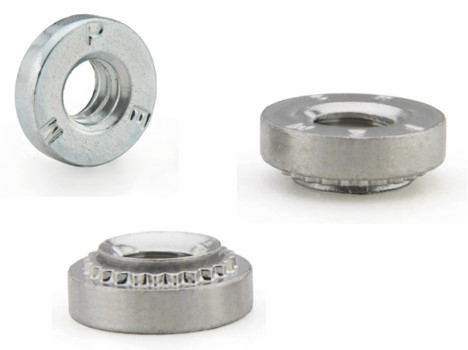
- EFSSCNM06-1Z
- SELF-CLINCHING NUT
- F
- 0
- Weight: 0.0055100
| Diameter: | M6M6 |
| Thread pitch: | 1.001.00 |
| Material: | SteelSteel |
| Finish: | ZincZinc |
| Part Number: | CAPS-M6-1CAPS-M6-1 |
| Thread: | Self-Clinching (PEM) NutsSelf-Clinching (PEM) Nuts |
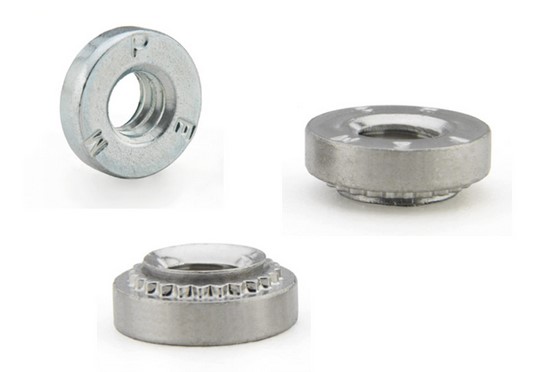
- EFSSCNM06-2188
- SELF-CLINCHING NUTS
- F
- 0
- Weight: 0.0055100
| Diameter: | M6M6 |
| Thread pitch: | 11 |
| Material: | SteelSteel |
| Finish: | PassivatedPassivated |
| Part Number: | |
| Thread: | Self-Clinching (PEM) NutsSelf-Clinching (PEM) Nuts |
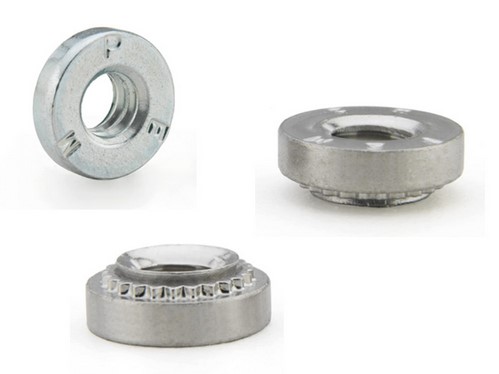
- EFSSCNM06-2Z
- SELF-CLINCHING NUT
- F
- 0
- Weight: 0.0055100
| Diameter: | M6M6 |
| Thread pitch: | 11 |
| Material: | SteelSteel |
| Finish: | ZincZinc |
| Part Number: | |
| Thread: | Self-Clinching (PEM) NutsSelf-Clinching (PEM) Nuts |
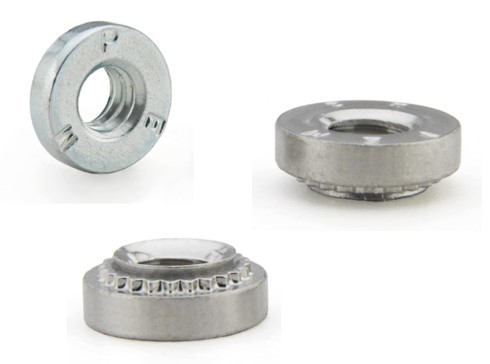
- EFSSCNM08-1188
- SELF-CLINCHING NUTS
- F
- 0
- Weight: 0.0114400
| Diameter: | M8M8 |
| Thread pitch: | 1.001.00 |
| Material: | SteelSteel |
| Finish: | PlainPlain |
| Part Number: | CAPCLS-M8-1CAPCLS-M8-1 |
| Thread: | Self-Clinching (PEM) NutsSelf-Clinching (PEM) Nuts |
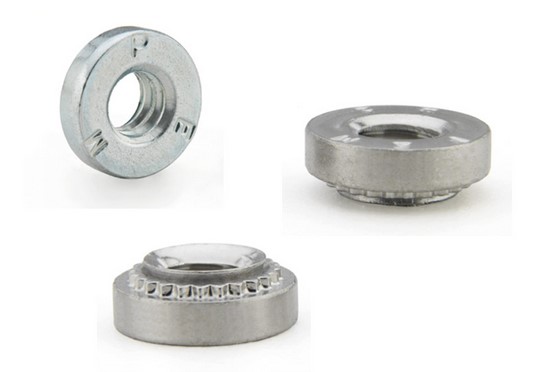
- EFSSCNM08-2188
- SELF-CLINCHING NUTS
- F
- 0
- Weight: 0.0114400
| Diameter: | M8M8 |
| Thread pitch: | 1.251.25 |
| Material: | SteelSteel |
| Finish: | PassivatedPassivated |
| Part Number: | |
| Thread: | Self-Clinching (PEM) NutsSelf-Clinching (PEM) Nuts |
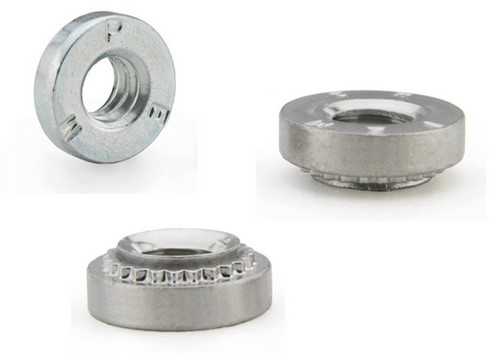
- EFSSCNT008C-0188
- SELF-CLINCHING NUT, THIN MATERIAL
- F
- 0
- Weight: 0.0025900
| Diameter: | 88 |
| Thread pitch: | 3232 |
| Material: | SteelSteel |
| Finish: | PassivatedPassivated |
| Part Number: | |
| Thread: | Self-Clinching (PEM) NutsSelf-Clinching (PEM) Nuts |
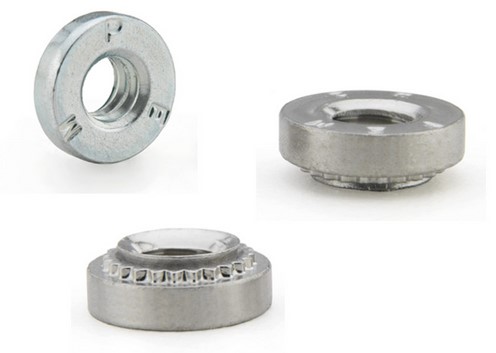
- EFSSCNT008C-1188
- SELF-CLINCHING NUT, THIN MATERIAL
- F
- 0
- Weight: 0.0025900
| Diameter: | 88 |
| Thread pitch: | 3232 |
| Material: | SteelSteel |
| Finish: | PassivatedPassivated |
| Part Number: | |
| Thread: | Self-Clinching (PEM) NutsSelf-Clinching (PEM) Nuts |
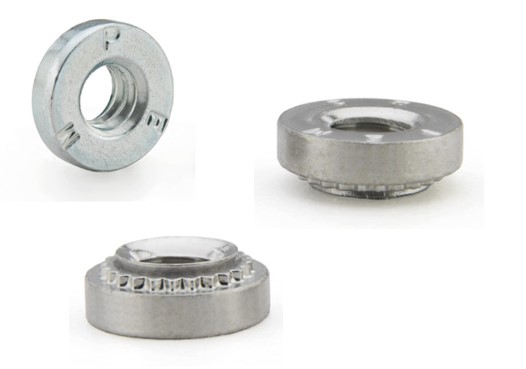
- EFSSCNT025C-1188
- SELF-CLINCHING NUT, THIN MATERIAL
- D
- 0
- Weight: 0.0060000
| Diameter: | 1/41/4 |
| Thread pitch: | 2020 |
| Material: | SteelSteel |
| Finish: | |
| Part Number: | CAPSP-0420-1CAPSP-0420-1 |
| Thread: | Self-Clinching (PEM) NutsSelf-Clinching (PEM) Nuts |
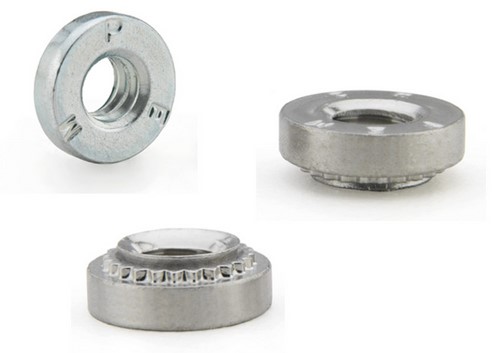
- EFSSCNT025C-2188
- SELF-CLINCHING NUT, THIN MATERIAL
- F
- 0
- Weight: 0.0050000
| Diameter: | 1/41/4 |
| Thread pitch: | 2020 |
| Material: | SteelSteel |
| Finish: | PassivatedPassivated |
| Part Number: | |
| Thread: | Self-Clinching (PEM) NutsSelf-Clinching (PEM) Nuts |
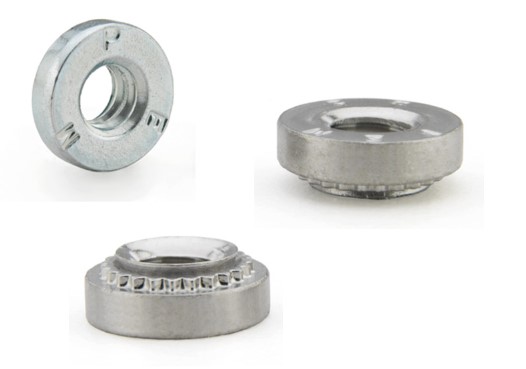
- EFSSCNTM04-0188
- SELF-CLINCHING NUT, THIN MATERIAL
- F
- 0
- Weight: 0.0015300
| Diameter: | M4M4 |
| Thread pitch: | |
| Material: | SteelSteel |
| Finish: | |
| Part Number: | CAPSP-M4-0CAPSP-M4-0 |
| Thread: | Self-Clinching (PEM) NutsSelf-Clinching (PEM) Nuts |
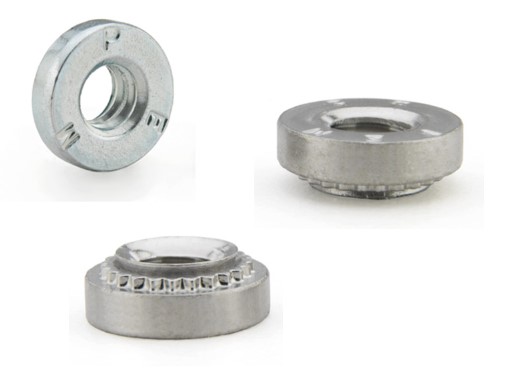
- EFSSCNTM04-2188
- SELF-CLINCHING NUT, THIN MATERIAL
- F
- 0
- Weight: 0.0015300
| Diameter: | M4M4 |
| Thread pitch: | 0.700.70 |
| Material: | SteelSteel |
| Finish: | PlainPlain |
| Part Number: | CAPSP-M4-2CAPSP-M4-2 |
| Thread: | Self-Clinching (PEM) NutsSelf-Clinching (PEM) Nuts |
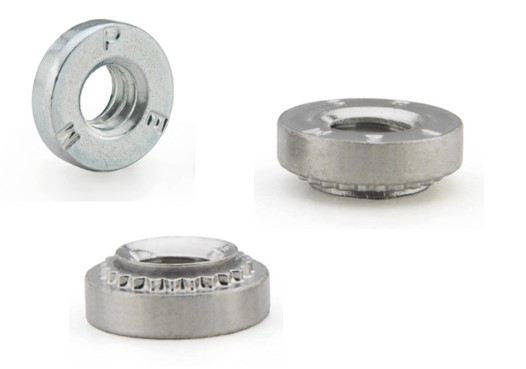
- EFSSCNTM05-1188
- SELF-CLINCHING NUT, THIN MATERIAL
- F
- 0
- Weight: 0.0027100
| Diameter: | M5M5 |
| Thread pitch: | 0.800.80 |
| Material: | SteelSteel |
| Finish: | PlainPlain |
| Part Number: | CAPSP-M5-1CAPSP-M5-1 |
| Thread: | Self-Clinching (PEM) NutsSelf-Clinching (PEM) Nuts |
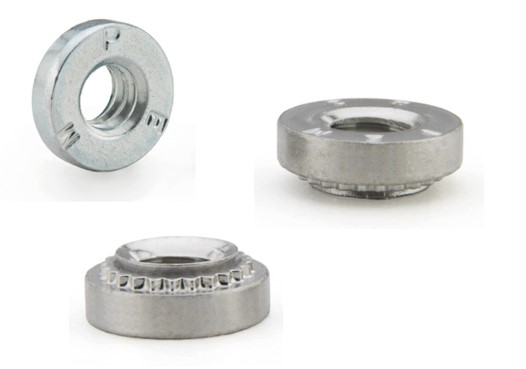
- EFSSCNTM05-2188
- SELF-CLINCHING NUT, THIN MATERIAL
- F
- 0
- Weight: 0.0027100
| Diameter: | M5M5 |
| Thread pitch: | 0.800.80 |
| Material: | SteelSteel |
| Finish: | PlainPlain |
| Part Number: | CAPSP-M5-2CAPSP-M5-2 |
| Thread: | Self-Clinching (PEM) NutsSelf-Clinching (PEM) Nuts |
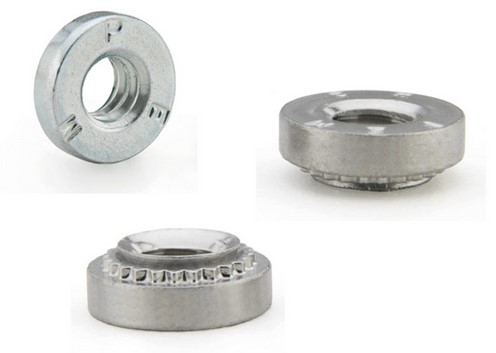
- EFSSCNTM06-2188
- SELF-CLINCHING NUT, THIN MATERIAL
- F
- 0
- Weight: 0.0055100
| Diameter: | M6M6 |
| Thread pitch: | 11 |
| Material: | SteelSteel |
| Finish: | PassivatedPassivated |
| Part Number: | |
| Thread: | Self-Clinching (PEM) NutsSelf-Clinching (PEM) Nuts |
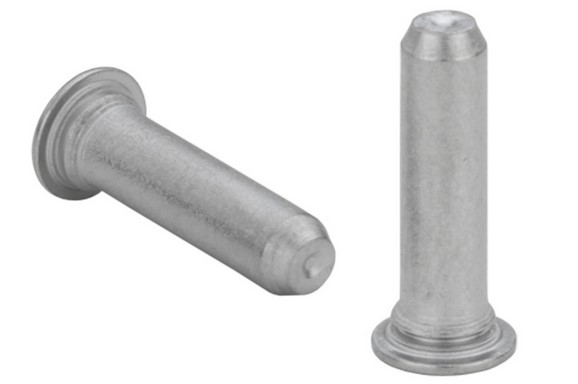
- EFSSCPP012-6188
- SELF-CLINCHING PILOT PINS
- F
- 0
- Weight: 0.0076000
| Diameter: | 125125 |
| Thread pitch: | |
| Material: | SteelSteel |
| Finish: | PassivatedPassivated |
| Part Number: | |
| Thread: | Self-Clinching (PEM) NutsSelf-Clinching (PEM) Nuts |
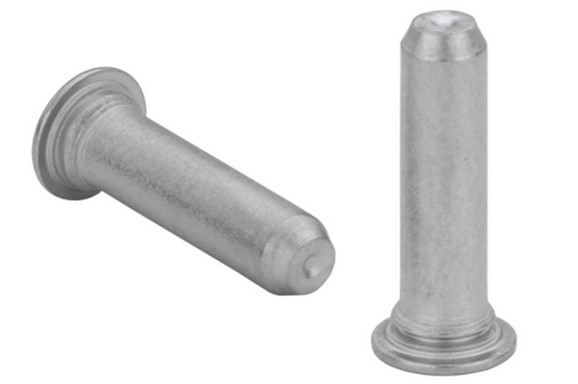
- EFSSCPP025-12188
- SELF-CLINCHING PILOT PINS
- F
- 0
- Weight: 0.0271000
| Diameter: | 250250 |
| Thread pitch: | |
| Material: | SteelSteel |
| Finish: | PassivatedPassivated |
| Part Number: | |
| Thread: | Self-Clinching (PEM) NutsSelf-Clinching (PEM) Nuts |
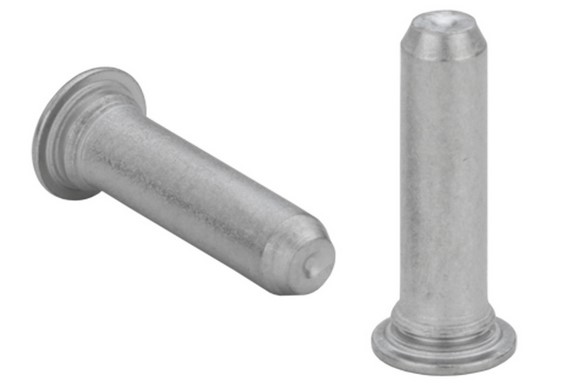
- EFSSCPPM03-10188
- SELF-CLINCHING PILOT PINS
- F
- 0
- Weight: 0.0009000
| Diameter: | 3MM3MM |
| Thread pitch: | |
| Material: | SteelSteel |
| Finish: | PassivatedPassivated |
| Part Number: | |
| Thread: | Self-Clinching (PEM) NutsSelf-Clinching (PEM) Nuts |
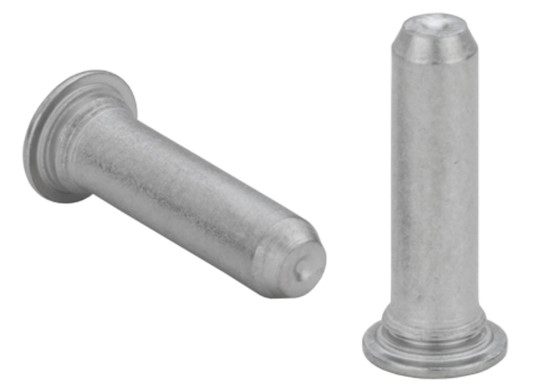
- EFSSCPPM03-12188
- SELF-CLINCHING PILOT PINS
- F
- 0
- Weight: 0.0010100
| Diameter: | M3M3 |
| Thread pitch: | |
| Material: | SteelSteel |
| Finish: | |
| Part Number: | CAPTPS-3MM-12CAPTPS-3MM-12 |
| Thread: | Self-Clinching (PEM) NutsSelf-Clinching (PEM) Nuts |
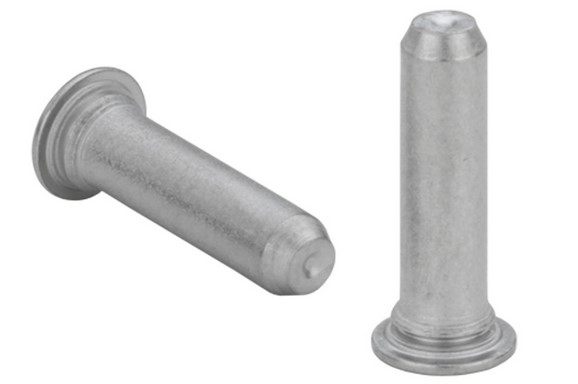
- EFSSCPPM04-16188
- SELF-CLINCHING PILOT PINS
- F
- 0
- Weight: 0.0015300
| Diameter: | 4MM4MM |
| Thread pitch: | |
| Material: | SteelSteel |
| Finish: | PassivatedPassivated |
| Part Number: | |
| Thread: | Self-Clinching (PEM) NutsSelf-Clinching (PEM) Nuts |
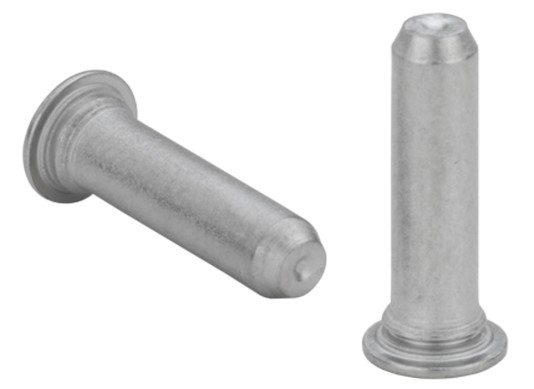
- EFSSCPPM06-12188
- SELF-CLINCHING PILOT PINS
- F
- 0
- Weight: 0.0036100
| Diameter: | M6M6 |
| Thread pitch: | |
| Material: | SteelSteel |
| Finish: | |
| Part Number: | CAPTP4-6MM-12CAPTP4-6MM-12 |
| Thread: | Self-Clinching (PEM) NutsSelf-Clinching (PEM) Nuts |
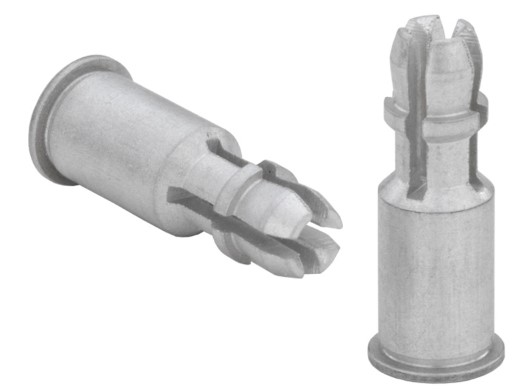
- EFSSCSTSTOM04-18188
- SELF-CLINCHING SNAP OFF STANDOFFS
- F
- 0
- Weight: 0.0015300
| Diameter: | M4M4 |
| Thread pitch: | |
| Material: | SteelSteel |
| Finish: | |
| Part Number: | CAPSSC-4MM-18CAPSSC-4MM-18 |
| Thread: | Self-Clinching (PEM) NutsSelf-Clinching (PEM) Nuts |
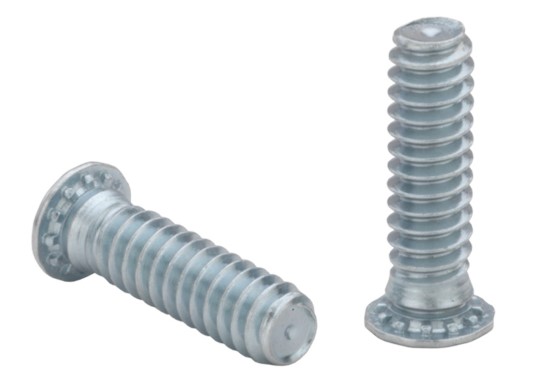
- EFSSCTS002C-4Z
- SELF-CLINCHING, THREADED STUDS
- F
- 0
- Weight: 0.0004200
| Diameter: | 22 |
| Thread pitch: | 5656 |
| Material: | SteelSteel |
| Finish: | |
| Part Number: | CAPFH-256-4ZICAPFH-256-4ZI |
| Thread: | Self-Clinching (PEM) NutsSelf-Clinching (PEM) Nuts |
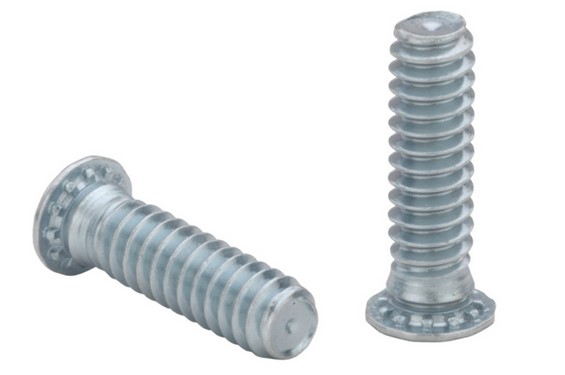
- EFSSCTS004C-10Z
- SELF-CLINCHING, THREADED STUDS
- F
- 0
- Weight: 0.0003500
| Diameter: | 44 |
| Thread pitch: | 4040 |
| Material: | SteelSteel |
| Finish: | ZincZinc |
| Part Number: | |
| Thread: | Self-Clinching (PEM) NutsSelf-Clinching (PEM) Nuts |
- EFSSCTS004C-5Z
- SELF-CLINCHING, THREADED STUDS. 4-40 - 5, ZINC
- F
- 0
- Weight: 0.0003500
| Diameter: | 44 |
| Thread pitch: | 4040 |
| Material: | SteelSteel |
| Finish: | ZincZinc |
| Part Number: | |
| Thread: | Self-Clinching (PEM) NutsSelf-Clinching (PEM) Nuts |
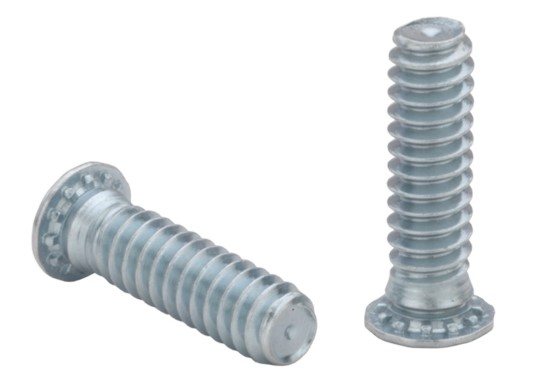
- EFSSCTS006C-5Z
- SELF-CLINCHING, THREADED STUDS
- F
- 0
- Weight: 0.0020200
| Diameter: | 66 |
| Thread pitch: | 3232 |
| Material: | SteelSteel |
| Finish: | |
| Part Number: | CAPFH-632-5CAPFH-632-5 |
| Thread: | Self-Clinching (PEM) NutsSelf-Clinching (PEM) Nuts |
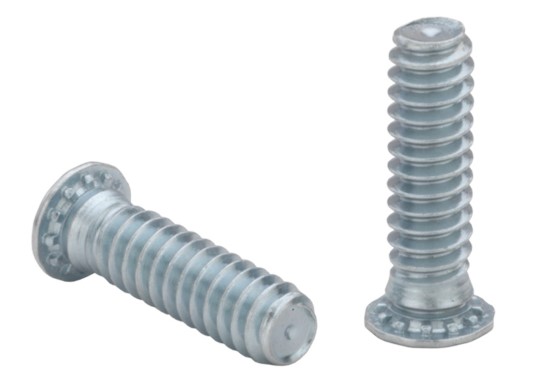
- EFSSCTS006C-8Z
- SELF-CLINCHING, THREADED STUDS
- F
- 0
- Weight: 0.0020200
| Diameter: | 66 |
| Thread pitch: | 3232 |
| Material: | SteelSteel |
| Finish: | |
| Part Number: | CAPFH-632-8CAPFH-632-8 |
| Thread: | Self-Clinching (PEM) NutsSelf-Clinching (PEM) Nuts |
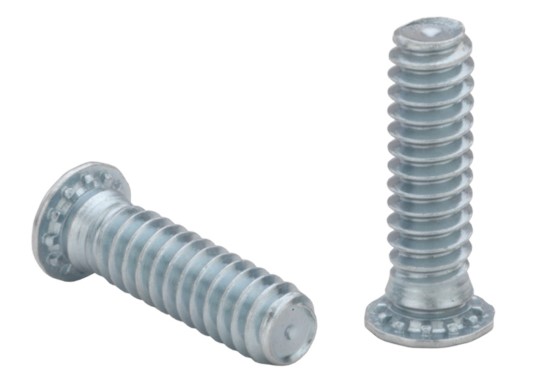
- EFSSCTS008C-10Z
- SELF-CLINCHING, THREADED STUDS
- F
- 0
- Weight: 0.0025900
| Diameter: | 88 |
| Thread pitch: | 3232 |
| Material: | SteelSteel |
| Finish: | |
| Part Number: | CAPFH-832-10ZICAPFH-832-10ZI |
| Thread: | Self-Clinching (PEM) NutsSelf-Clinching (PEM) Nuts |
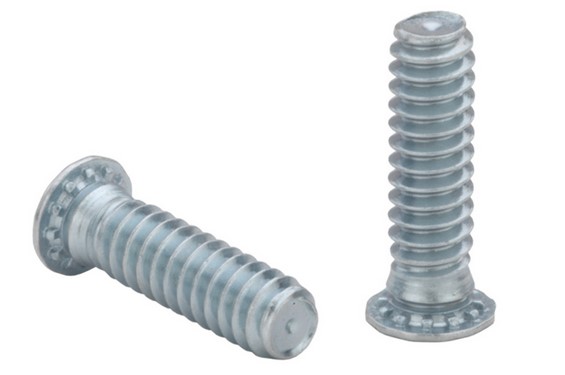
- EFSSCTS008C-20Z
- SELF-CLINCHING, THREADED STUDS
- F
- 0
- Weight: 0.0025900
| Diameter: | 88 |
| Thread pitch: | 3232 |
| Material: | SteelSteel |
| Finish: | ZincZinc |
| Part Number: | |
| Thread: | Self-Clinching (PEM) NutsSelf-Clinching (PEM) Nuts |
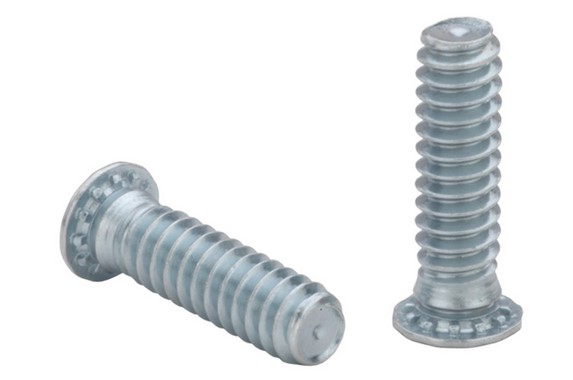
- EFSSCTS008C-8188
- SELF-CLINCHING, THREADED STUDS
- F
- 0
- Weight: 0.0048000
| Diameter: | 88 |
| Thread pitch: | 3232 |
| Material: | SteelSteel |
| Finish: | PassivatedPassivated |
| Part Number: | |
| Thread: | Self-Clinching (PEM) NutsSelf-Clinching (PEM) Nuts |
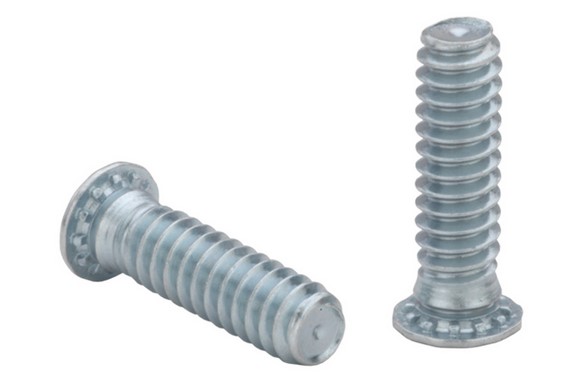
- EFSSCTS010C-4188
- SELF-CLINCHING, THREADED STUDS
- F
- 0
- Weight: 0.0096700
| Diameter: | 1010 |
| Thread pitch: | 2424 |
| Material: | SteelSteel |
| Finish: | PassivatedPassivated |
| Part Number: | |
| Thread: | Self-Clinching (PEM) NutsSelf-Clinching (PEM) Nuts |
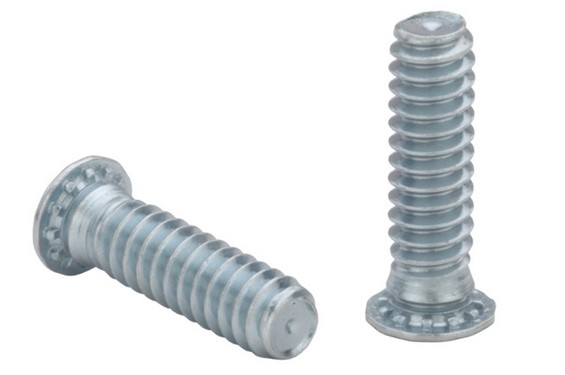
- EFSSCTS010C-8Z
- SELF-CLINCHING, THREADED STUDS
- F
- 0
- Weight: 0.0028800
| Diameter: | 1010 |
| Thread pitch: | 2424 |
| Material: | SteelSteel |
| Finish: | ZincZinc |
| Part Number: | |
| Thread: | Self-Clinching (PEM) NutsSelf-Clinching (PEM) Nuts |
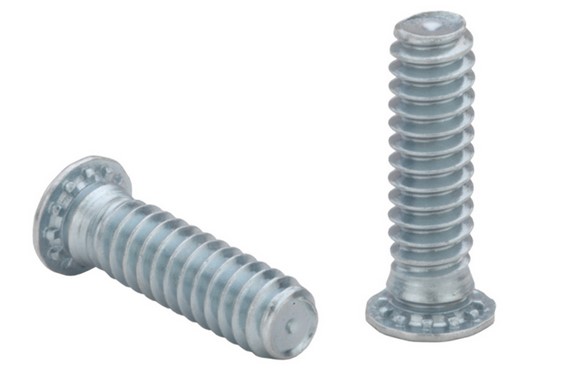
- EFSSCTS010F-12Z
- SELF-CLINCHING, THREADED STUDS
- C
- 0
- Weight: 0.0100000
| Diameter: | 1010 |
| Thread pitch: | 3232 |
| Material: | SteelSteel |
| Finish: | ZincZinc |
| Part Number: | |
| Thread: | Self-Clinching (PEM) NutsSelf-Clinching (PEM) Nuts |
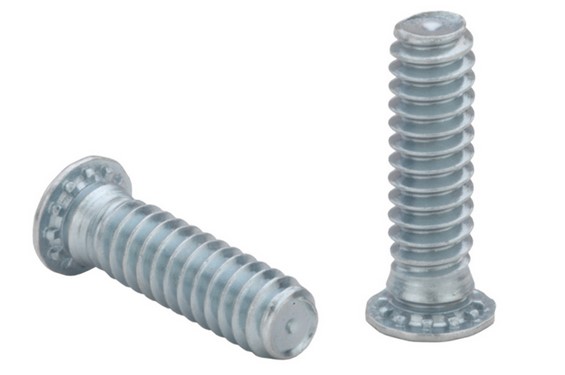
- EFSSCTS010F-14Z
- SELF-CLINCHING, THREADED STUDS
- F
- 0
- Weight: 0.0100000
| Diameter: | 1010 |
| Thread pitch: | 3232 |
| Material: | SteelSteel |
| Finish: | ZincZinc |
| Part Number: | |
| Thread: | Self-Clinching (PEM) NutsSelf-Clinching (PEM) Nuts |
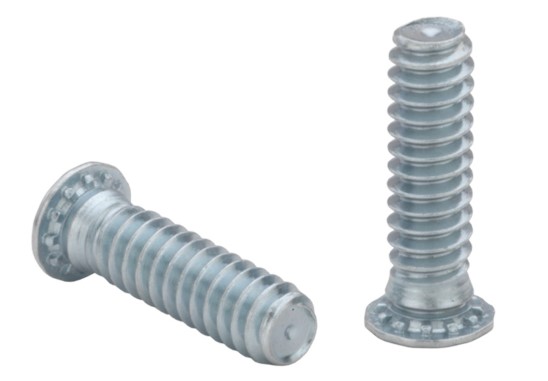
- EFSSCTS010F-16Z
- SELF-CLINCHING, THREADED STUDS
- F
- 0
- Weight: 0.0100000
| Diameter: | 1010 |
| Thread pitch: | 3232 |
| Material: | SteelSteel |
| Finish: | |
| Part Number: | CAPFH-032-16CAPFH-032-16 |
| Thread: | Self-Clinching (PEM) NutsSelf-Clinching (PEM) Nuts |
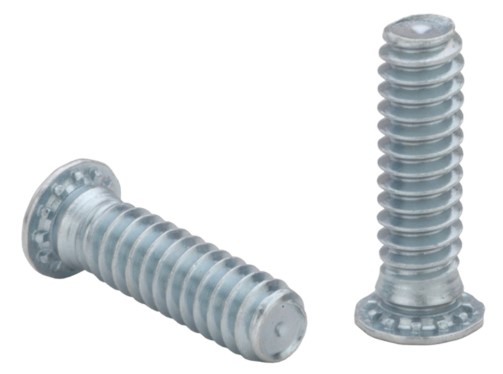
- EFSSCTS010F-5188
- SELF-CLINCHING, THREADED STUDS
- F
- 0
- Weight: 0.0028800
| Diameter: | 1010 |
| Thread pitch: | 3232 |
| Material: | SteelSteel |
| Finish: | |
| Part Number: | CAPFHS-032-5CAPFHS-032-5 |
| Thread: | Self-Clinching (PEM) NutsSelf-Clinching (PEM) Nuts |
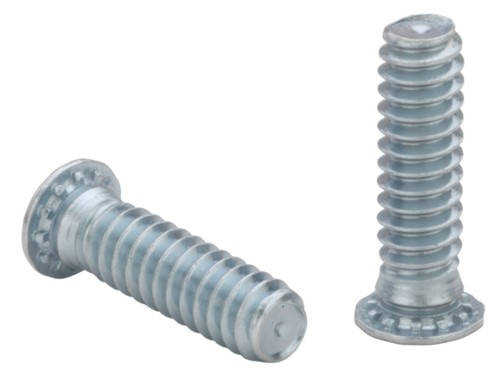
- EFSSCTS010F-8188
- SELF-CLINCHING, THREADED STUDS
- F
- 0
- Weight: 0.0028800
| Diameter: | 1010 |
| Thread pitch: | 3232 |
| Material: | SteelSteel |
| Finish: | |
| Part Number: | CAPFHS-032-8CAPFHS-032-8 |
| Thread: | Self-Clinching (PEM) NutsSelf-Clinching (PEM) Nuts |
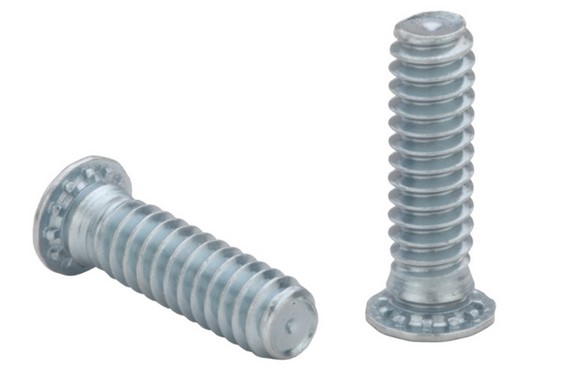
- EFSSCTS010F-8Z
- SELF-CLINCHING, THREADED STUDS
- F
- 0
- Weight: 0.0100000
| Diameter: | 1010 |
| Thread pitch: | 3232 |
| Material: | SteelSteel |
| Finish: | ZincZinc |
| Part Number: | |
| Thread: | Self-Clinching (PEM) NutsSelf-Clinching (PEM) Nuts |
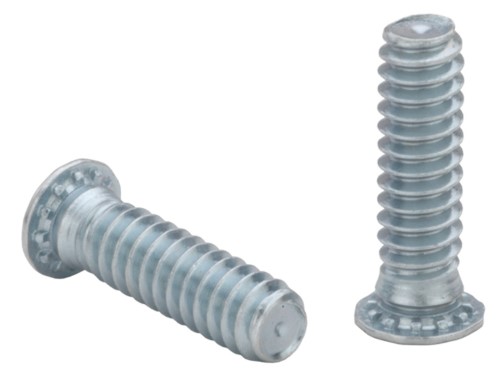
- EFSSCTS025C-10188
- SELF-CLINCHING, THREADED STUDS
- F
- 0
- Weight: 0.0096700
| Diameter: | 1/41/4 |
| Thread pitch: | 2020 |
| Material: | SteelSteel |
| Finish: | |
| Part Number: | CAPFHS-0420-10CAPFHS-0420-10 |
| Thread: | Self-Clinching (PEM) NutsSelf-Clinching (PEM) Nuts |
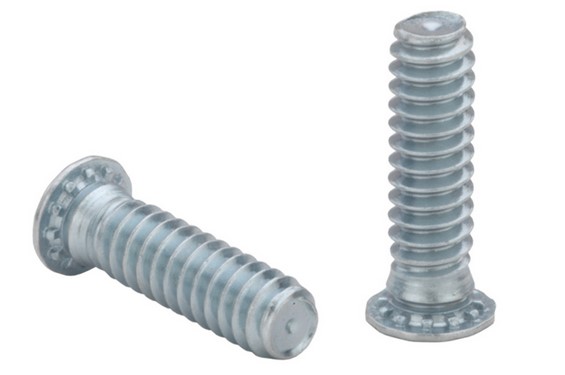
- EFSSCTS025C-10Z
- SELF-CLINCHING, THREADED STUDS
- F
- 0
- Weight: 0.0070300
| Diameter: | 1/41/4 |
| Thread pitch: | 2020 |
| Material: | SteelSteel |
| Finish: | ZincZinc |
| Part Number: | |
| Thread: | Self-Clinching (PEM) NutsSelf-Clinching (PEM) Nuts |
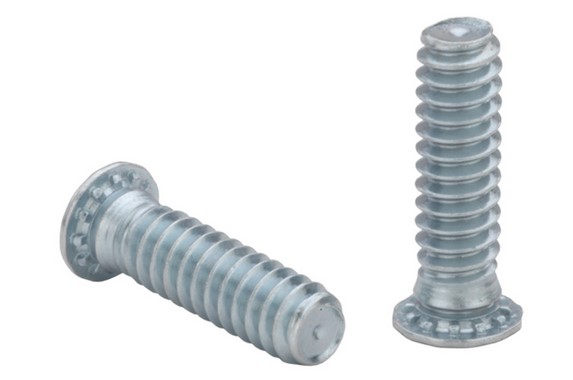
- EFSSCTS025C-12188
- SELF-CLINCHING, THREADED STUDS
- F
- 0
- Weight: 0.0028800
| Diameter: | 1/41/4 |
| Thread pitch: | 2020 |
| Material: | SteelSteel |
| Finish: | PassivatedPassivated |
| Part Number: | |
| Thread: | Self-Clinching (PEM) NutsSelf-Clinching (PEM) Nuts |
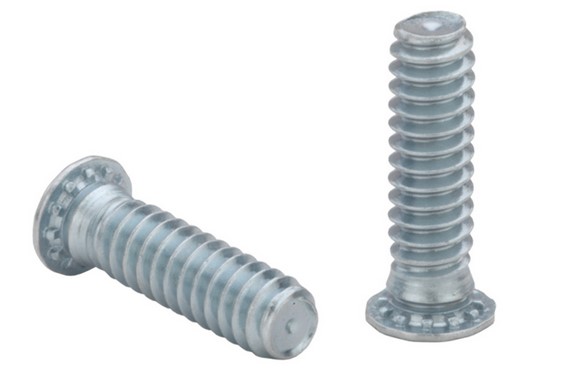
- EFSSCTS025C-12Z
- SELF-CLINCHING, THREADED STUDS
- F
- 0
- Weight: 0.0036000
| Diameter: | 1/41/4 |
| Thread pitch: | 2020 |
| Material: | SteelSteel |
| Finish: | ZincZinc |
| Part Number: | |
| Thread: | Self-Clinching (PEM) NutsSelf-Clinching (PEM) Nuts |
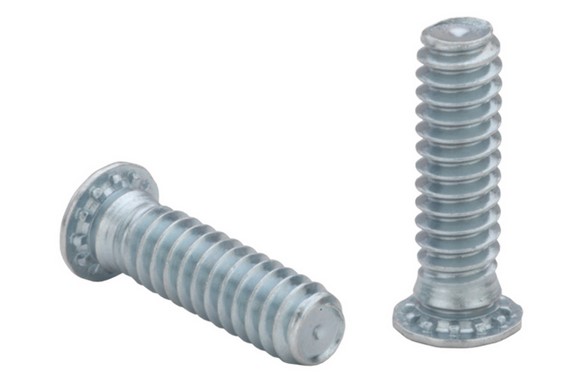
- EFSSCTS025C-16188
- SELF-CLINCHING, THREADED STUDS
- F
- 0
- Weight: 0.0096700
| Diameter: | 1/41/4 |
| Thread pitch: | 2020 |
| Material: | SteelSteel |
| Finish: | PassivatedPassivated |
| Part Number: | |
| Thread: | Self-Clinching (PEM) NutsSelf-Clinching (PEM) Nuts |
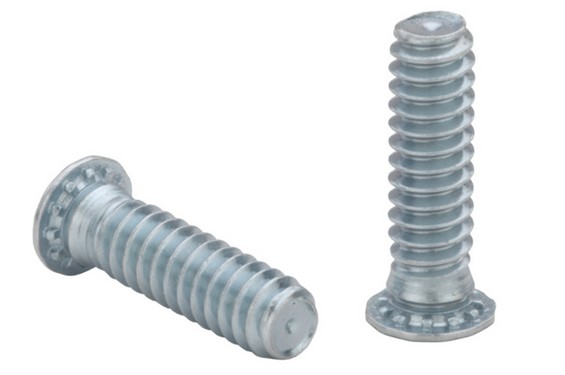
- EFSSCTS025C-16Z
- SELF-CLINCHING, THREADED STUDS
- F
- 0
- Weight: 0.0036000
| Diameter: | 1/41/4 |
| Thread pitch: | 2020 |
| Material: | SteelSteel |
| Finish: | ZincZinc |
| Part Number: | |
| Thread: | Self-Clinching (PEM) NutsSelf-Clinching (PEM) Nuts |
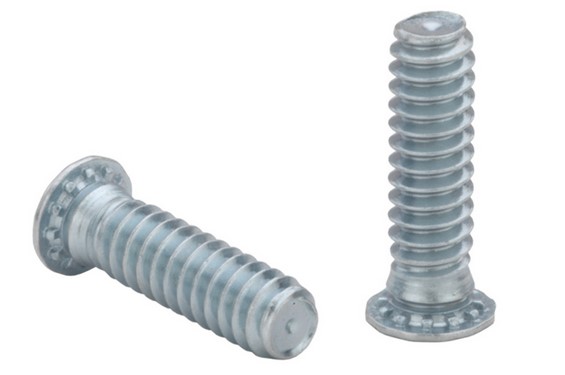
- EFSSCTS025C-24Z
- SELF-CLINCHING, THREADED STUDS
- F
- 0
- Weight: 0.0070300
| Diameter: | 1/41/4 |
| Thread pitch: | 2020 |
| Material: | SteelSteel |
| Finish: | ZincZinc |
| Part Number: | |
| Thread: | Self-Clinching (PEM) NutsSelf-Clinching (PEM) Nuts |
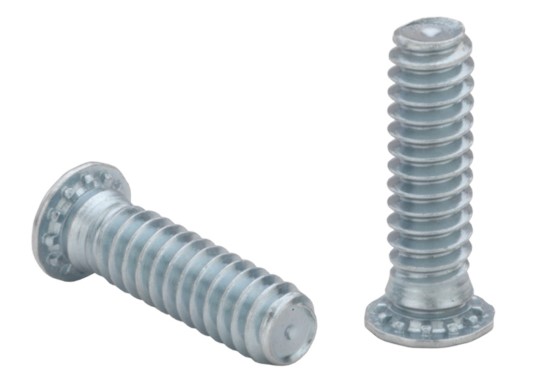
- EFSSCTS025C-8Z
- SELF-CLINCHING, THREADED STUDS
- F
- 0
- Weight: 0.0070300
| Diameter: | |
| Thread pitch: | |
| Material: | SteelSteel |
| Finish: | |
| Part Number: | CAPFH-0420-8ZICAPFH-0420-8ZI |
| Thread: | Self-Clinching (PEM) NutsSelf-Clinching (PEM) Nuts |
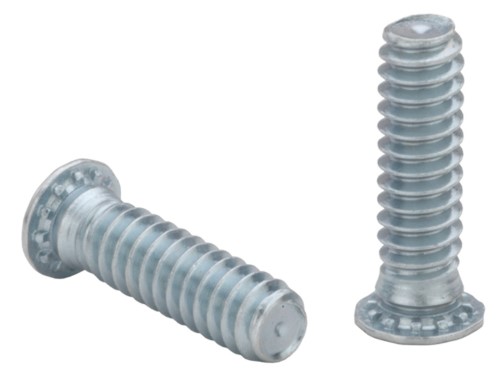
- EFSSCTSM03-10188
- SELF-CLINCHING, THREADED STUDS
- F
- 0
- Weight: 0.0009000
| Diameter: | M3M3 |
| Thread pitch: | |
| Material: | SteelSteel |
| Finish: | |
| Part Number: | CAPFHS-M3-10CAPFHS-M3-10 |
| Thread: | Self-Clinching (PEM) NutsSelf-Clinching (PEM) Nuts |
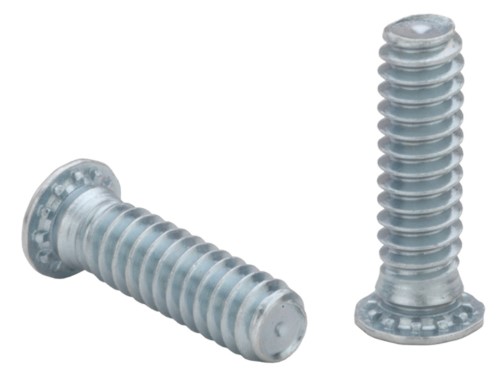
- EFSSCTSM03-12188
- SELF-CLINCHING, THREADED STUDS
- F
- 0
- Weight: 0.0009000
| Diameter: | M3M3 |
| Thread pitch: | |
| Material: | SteelSteel |
| Finish: | |
| Part Number: | CAPFHS-M3-12CAPFHS-M3-12 |
| Thread: | Self-Clinching (PEM) NutsSelf-Clinching (PEM) Nuts |
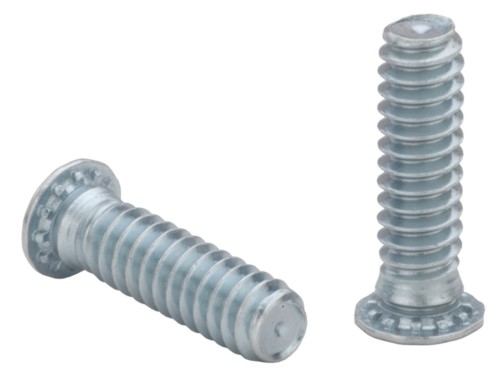
- EFSSCTSM03-18188
- SELF-CLINCHING, THREADED STUDS
- F
- 0
- Weight: 0.0009000
| Diameter: | M3M3 |
| Thread pitch: | |
| Material: | SteelSteel |
| Finish: | |
| Part Number: | CAPFHS-M3-18CAPFHS-M3-18 |
| Thread: | Self-Clinching (PEM) NutsSelf-Clinching (PEM) Nuts |
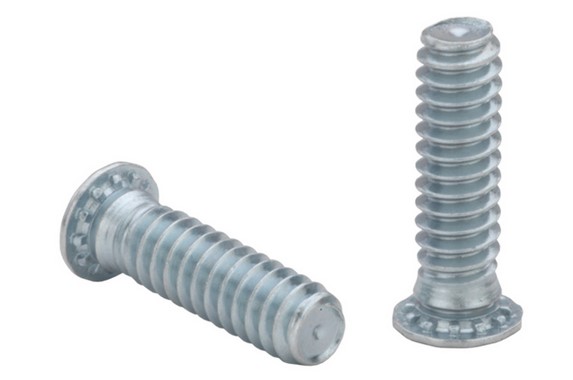
- EFSSCTSM03-6188
- SELF-CLINCHING, THREADED STUDS
- F
- 0
- Weight: 0.0009000
| Diameter: | M3M3 |
| Thread pitch: | 0.50.5 |
| Material: | SteelSteel |
| Finish: | PassivatedPassivated |
| Part Number: | |
| Thread: | Self-Clinching (PEM) NutsSelf-Clinching (PEM) Nuts |
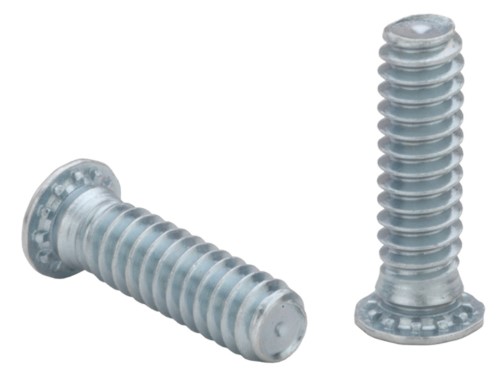
- EFSSCTSM03-8188
- SELF-CLINCHING, THREADED STUDS
- F
- 0
- Weight: 0.0009000
| Diameter: | M3M3 |
| Thread pitch: | |
| Material: | SteelSteel |
| Finish: | |
| Part Number: | CAPFHS-M3-8CAPFHS-M3-8 |
| Thread: | Self-Clinching (PEM) NutsSelf-Clinching (PEM) Nuts |
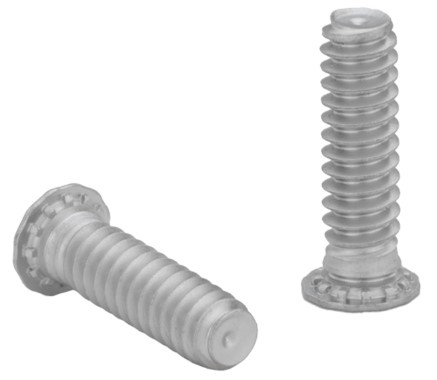
- EFSSCTSM03-8Z
- SELF-CLINCHING, THREADED STUDS
- F
- 0
- Weight: 0.0009000
| Diameter: | M3M3 |
| Thread pitch: | |
| Material: | SteelSteel |
| Finish: | |
| Part Number: | CAPFH4-M3-8CAPFH4-M3-8 |
| Thread: | Self-Clinching (PEM) NutsSelf-Clinching (PEM) Nuts |
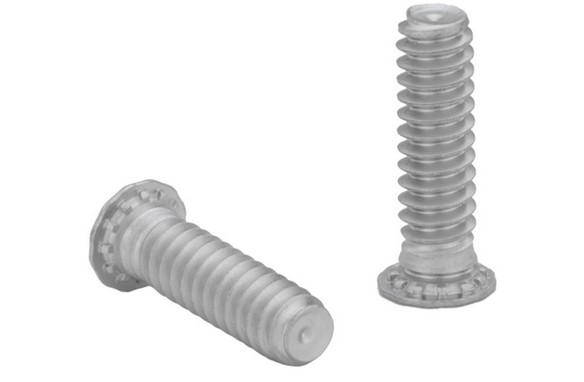
- EFSSCTSM04-10Z
- SELF-CLINCHING, THREADED STUDS, FLUSH HEAD, STEEL, FINISH:ZINC, M4 - 0.70 X 10
- F
- 0
- Weight: 0.0015300
| Diameter: | 44 |
| Thread pitch: | 0.700.70 |
| Material: | SteelSteel |
| Finish: | ZincZinc |
| Part Number: | |
| Thread: | Self-Clinching (PEM) NutsSelf-Clinching (PEM) Nuts |
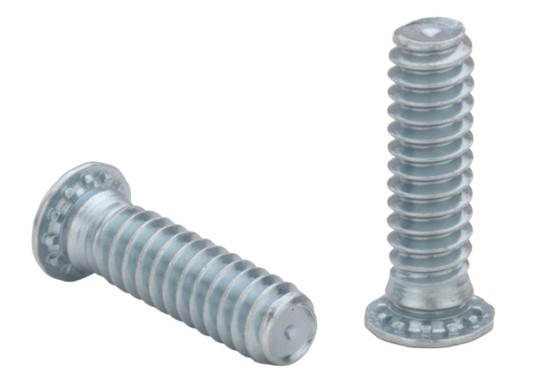
- EFSSCTSM04-15Z
- SELF-CLINCHING, THREADED STUDS
- F
- 0
- Weight: 0.0031700
| Diameter: | M4M4 |
| Thread pitch: | |
| Material: | SteelSteel |
| Finish: | |
| Part Number: | CAPFH-M4-15ZICAPFH-M4-15ZI |
| Thread: | Self-Clinching (PEM) NutsSelf-Clinching (PEM) Nuts |
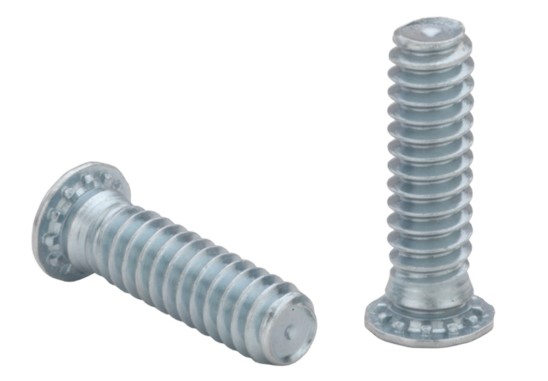
- EFSSCTSM04-35Z
- SELF-CLINCHING, THREADED STUDS
- F
- 0
- Weight: 0.0015300
| Diameter: | M4M4 |
| Thread pitch: | |
| Material: | SteelSteel |
| Finish: | |
| Part Number: | CAPFH-M4-35ZICAPFH-M4-35ZI |
| Thread: | Self-Clinching (PEM) NutsSelf-Clinching (PEM) Nuts |
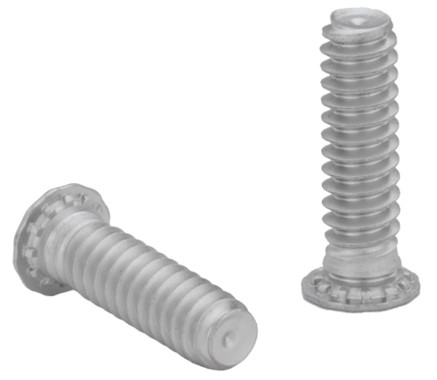
- EFSSCTSM04-8Z
- SELF-CLINCHING, THREADED STUDS
- F
- 0
- Weight: 0.0015300
| Diameter: | M3M3 |
| Thread pitch: | |
| Material: | SteelSteel |
| Finish: | |
| Part Number: | CAPFH4-M4-8CAPFH4-M4-8 |
| Thread: | Self-Clinching (PEM) NutsSelf-Clinching (PEM) Nuts |
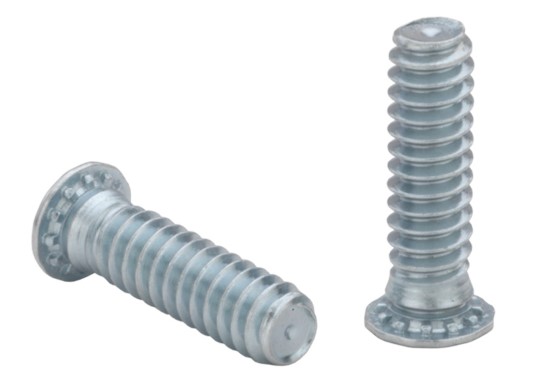
- EFSSCTSM05-12Z
- SELF-CLINCHING, THREADED STUDS
- F
- 0
- Weight: 0.0069700
| Diameter: | M5M5 |
| Thread pitch: | |
| Material: | SteelSteel |
| Finish: | |
| Part Number: | CAPFH-M5-12ZICAPFH-M5-12ZI |
| Thread: | Self-Clinching (PEM) NutsSelf-Clinching (PEM) Nuts |
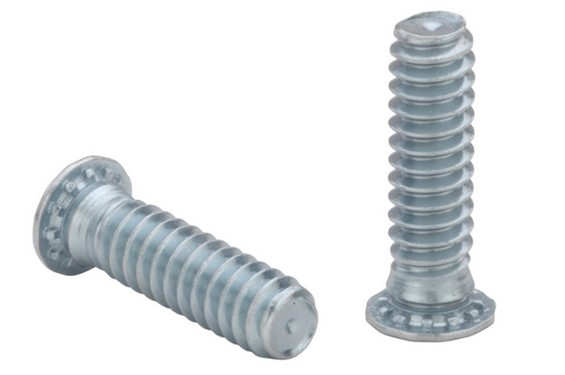
- EFSSCTSM06-18Z
- SELF-CLINCHING, THREADED STUDS
- F
- 0
- Weight: 0.0055100
| Diameter: | M6M6 |
| Thread pitch: | 11 |
| Material: | SteelSteel |
| Finish: | ZincZinc |
| Part Number: | |
| Thread: | Self-Clinching (PEM) NutsSelf-Clinching (PEM) Nuts |
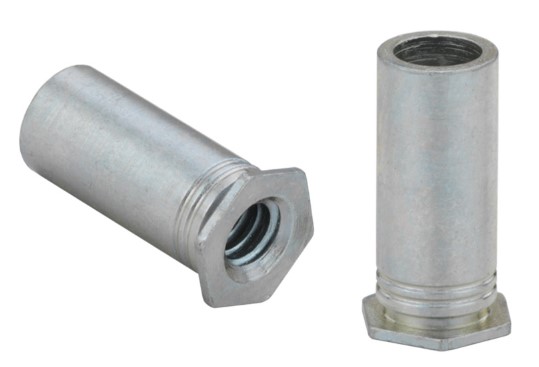
- EFSSCTTS004C-10188
- SELF-CLINCHING, THRU-HOLE THREADED STANDOFF
- F
- 0
- Weight: 0.0003500
| Diameter: | 44 |
| Thread pitch: | 4040 |
| Material: | SteelSteel |
| Finish: | |
| Part Number: | CAPSOS-440-10CAPSOS-440-10 |
| Thread: | Self-Clinching (PEM) NutsSelf-Clinching (PEM) Nuts |
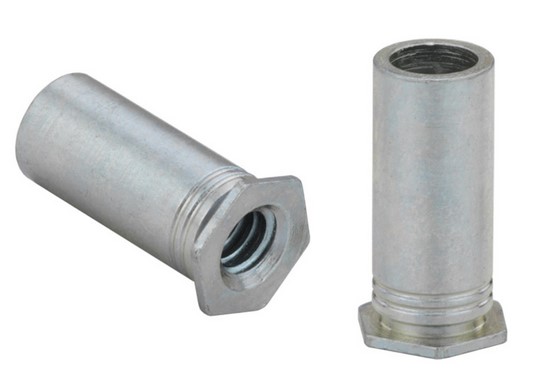
- EFSSCTTS006C-10Z
- SELF-CLINCHING, THRU-HOLE THREADED STANDOFF
- F
- 0
- Weight: 0.0020200
| Diameter: | |
| Thread pitch: | |
| Material: | SteelSteel |
| Finish: | |
| Part Number: | |
| Thread: | Self-Clinching (PEM) NutsSelf-Clinching (PEM) Nuts |
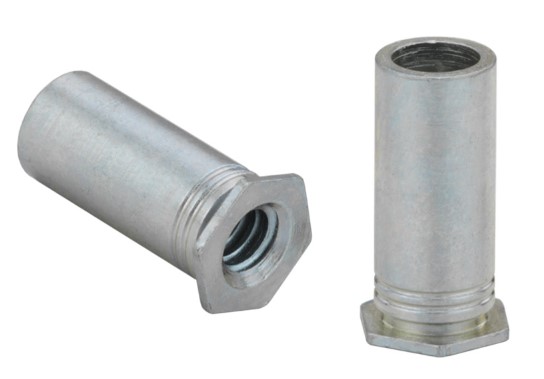
- EFSSCTTS006C-8Z
- SELF-CLINCHING, THRU-HOLE THREADED STANDOFF
- F
- 0
- Weight: 0.0020200
| Diameter: | 66 |
| Thread pitch: | 3232 |
| Material: | SteelSteel |
| Finish: | |
| Part Number: | CAPSO-632-8CAPSO-632-8 |
| Thread: | Self-Clinching (PEM) NutsSelf-Clinching (PEM) Nuts |
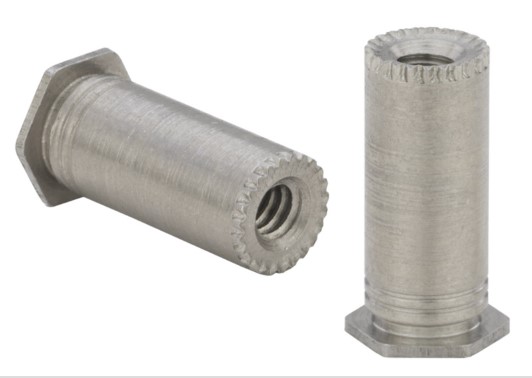
- EFSSCTTSG004-C8188
- SELF-CLINCHING, THRU-HOLE THREADED STANDOFF, GROUNDING
- F
- 0
- Weight: 0.0004100
| Diameter: | |
| Thread pitch: | |
| Material: | SteelSteel |
| Finish: | |
| Part Number: | CAPSOSG-6440-8CAPSOSG-6440-8 |
| Thread: | Self-Clinching (PEM) NutsSelf-Clinching (PEM) Nuts |
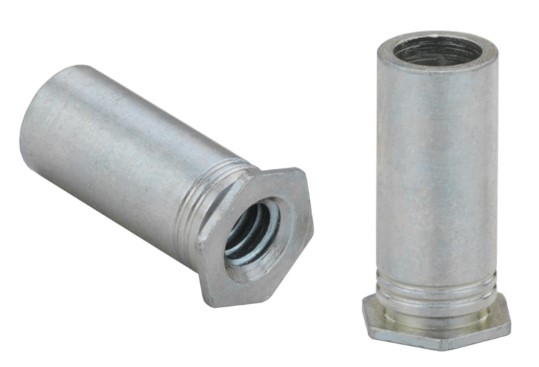
- EFSSCTTSM03-14188
- SELF-CLINCHING, THRU-HOLE THREADED STANDOFF
- F
- 0
- Weight: 0.0009000
| Diameter: | M3M3 |
| Thread pitch: | |
| Material: | SteelSteel |
| Finish: | |
| Part Number: | CAPSOS-M3-14CAPSOS-M3-14 |
| Thread: | Self-Clinching (PEM) NutsSelf-Clinching (PEM) Nuts |
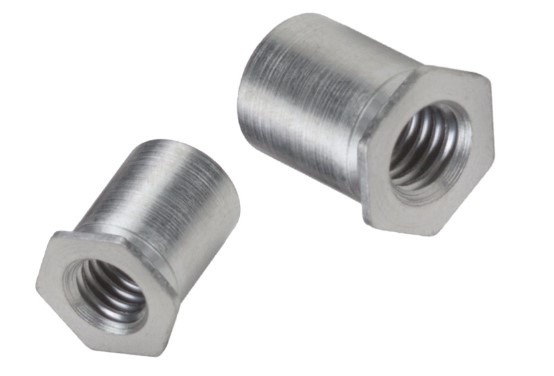
- EFSSCTTSM03-4Z
- SELF-CLINCHING, THRU-HOLE THREADED STANDOFF
- F
- 0
- Weight: 0.0009000
| Diameter: | M3M3 |
| Thread pitch: | |
| Material: | SteelSteel |
| Finish: | |
| Part Number: | CAPSO4-M3-4CAPSO4-M3-4 |
| Thread: | Self-Clinching (PEM) NutsSelf-Clinching (PEM) Nuts |
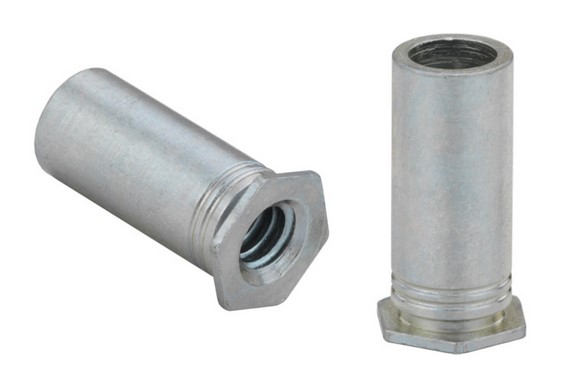
- EFSSCTTSM03.5-3-6188
- SELF-CLINCHING, THRU-HOLE THREADED STANDOFF
- F
- 0
- Weight: 0.0009000
| Diameter: | M3M3 |
| Thread pitch: | 0.50.5 |
| Material: | SteelSteel |
| Finish: | PassivatedPassivated |
| Part Number: | |
| Thread: | Self-Clinching (PEM) NutsSelf-Clinching (PEM) Nuts |
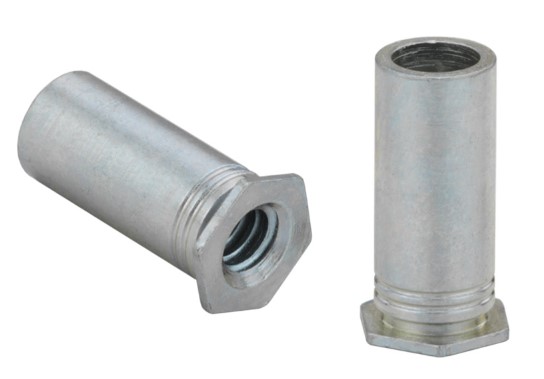
- EFSSCTTSM04-12Z
- SELF-CLINCHING, THRU-HOLE THREADED STANDOFF
- F
- 0
- Weight: 0.0015300
| Diameter: | M4M4 |
| Thread pitch: | |
| Material: | SteelSteel |
| Finish: | |
| Part Number: | CAPSO-M4-12ZICAPSO-M4-12ZI |
| Thread: | Self-Clinching (PEM) NutsSelf-Clinching (PEM) Nuts |
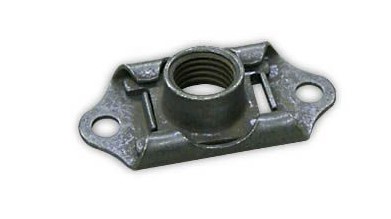
- MS21059L3
- #10 - 32 NUT PLATE, FLOATING
- F
- 0
- Weight: 0.0169000
| Diameter: | #10#10 |
| Thread pitch: | 3232 |
| Material: | SteelSteel |
| Finish: | |
| Part Number: | MS21059L3MS21059L3 |
| Thread: | Self-Clinching (PEM) NutsSelf-Clinching (PEM) Nuts |

- MS21073-3
- #10 - 32 NUT PLATE, SELF LOCKING CORNER CADMIUM PLATED
- F
- 0
- Weight: 0.0020000
| Diameter: | #10#10 |
| Thread pitch: | 3232 |
| Material: | SteelSteel |
| Finish: | CadmiumCadmium |
| Part Number: | MS21073-3MS21073-3 |
| Thread: | Self-Clinching (PEM) NutsSelf-Clinching (PEM) Nuts |
- MS21075-3
- #10-32 NUT PLATE, SELF LOCKING, TWO-LUG, CADMIUM PLATED
- F
- 0
- Weight: 0.0040000
| Diameter: | #10#10 |
| Thread pitch: | 3232 |
| Material: | SteelSteel |
| Finish: | CadmiumCadmium |
| Part Number: | MS21075-3MS21075-3 |
| Thread: | Self-Clinching (PEM) NutsSelf-Clinching (PEM) Nuts |

- NAS1791C08-1
- SELF-LOCKING NUT PLATE #8-32
- C
- 0
- Weight: 0.0179000
| Diameter: | #8#8 |
| Thread pitch: | 3232 |
| Material: | SteelSteel |
| Finish: | |
| Part Number: | NAS1791C08-1NAS1791C08-1 |
| Thread: | Self-Clinching (PEM) NutsSelf-Clinching (PEM) Nuts |
No items match your selected filters. Please change or reset your filters to try again.
Self-Clinching Nuts for Thin Sheet Metal
Need these for a production run or a specific size?
Get Job Pricing / Submittals Email Sales
Self-Clinching vs Weld Nut vs Rivet Nut
All three add threads to sheet metal. A self-clinching nut presses in cold for a flush, permanent thread — clean and strong but needs press access and a minimum sheet hardness/thickness. A weld nut is welded on — strongest, but needs welding access. A rivet nut installs blind from one side with a hand or power tool — best when you can only reach the front. Choose by access and base material.
FAQ
What is a self-clinching nut?
A self-clinching nut presses permanently into a hole in thin sheet metal, displacing material around a knurled collar to create a flush, captive, strong thread without welding or back-side access. PEM is a well-known brand of self-clinching fastener.
How is a self-clinching nut installed?
With steady press force (an arbor or hydraulic press), not a hammer. The press seats the nut so its knurl bites the sheet and the nut sits flush on the back face. Hammering will not install it correctly.
What is the minimum sheet thickness?
Self-clinching nuts require a minimum sheet thickness and hardness to clinch properly, and the sheet should be softer than the nut. Tell us your gauge and material and we will confirm the right part.
Self-clinching nut vs rivet nut, which should I use?
Use a self-clinching nut for a flush, permanent thread when you have press access and suitable sheet. Use a rivet nut when you can only reach the front of the panel and need a blind install with a hand or power tool.
Why Buy from Eugene Fastener
- By the piece or in bulk, with cross-reference help.
- Same-day shipping on orders placed before 2pm Pacific.
- Since 1969 — serving Pacific Northwest manufacturers, contractors, and equipment makers for over 55 years.
For other sheet-metal threading options see our rivet nuts and weld nuts. Browse all nut types or contact our sales team for sizing, cross-references, or bulk pricing. Eugene Fastener & Supply — serving the Pacific Northwest since 1969.
View Cart
View Wishlist