Nuts
A nut is an internally-threaded fastener that mates with a bolt, screw, or threaded rod to clamp a joint together. Eugene Fastener & Supply carries one of the deepest nut selections in the Pacific Northwest — from everyday hex and heavy hex nuts to the locking, structural, and specialty types engineers and fabricators ask for by name: nylon-insert and all-metal lock nuts, flange and serrated-flange nuts, jam nuts, castle and slotted nuts, coupling and acme nuts, weld nuts, square nuts, and more. We stock standard steel in zinc and plain finishes and supply 18-8 and 316 stainless, silicon bronze, and brass to order for corrosion-critical and marine work, in both inch and metric threads.
Whether you need a single hard-to-find size for a repair or a production quantity for an assembly line, we sell by the piece or in bulk, cross-reference legacy and specialty part numbers, and ship same day on orders placed before 2pm Pacific. Browse the nut types below, or contact our sales team for specifications, grade matching, or volume pricing.
Goes Well With
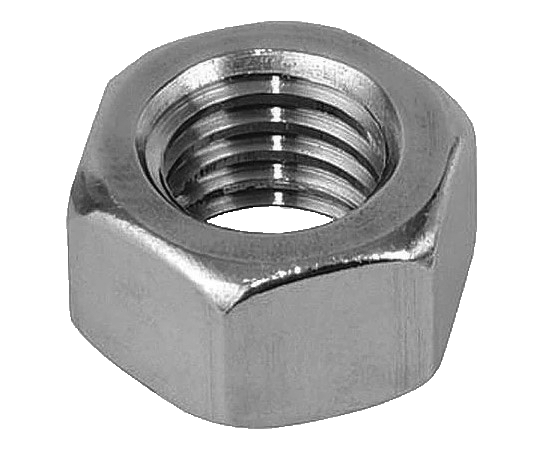
Hex Nuts
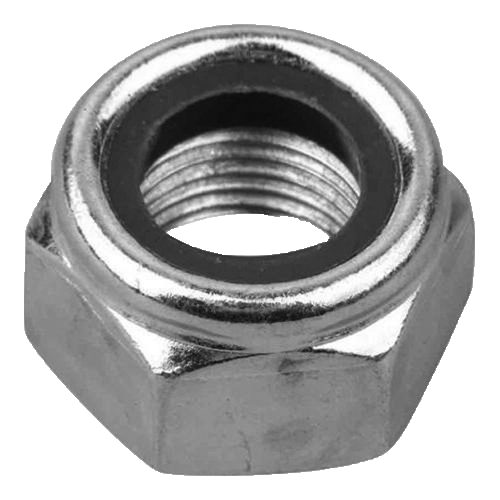
Lock Nuts
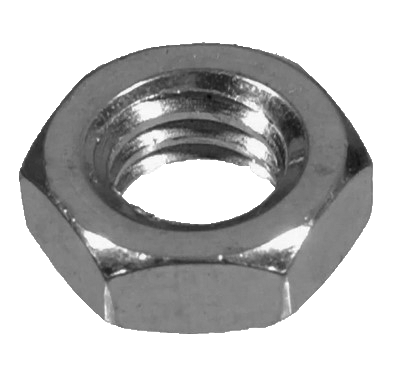
Hex Jam Nuts
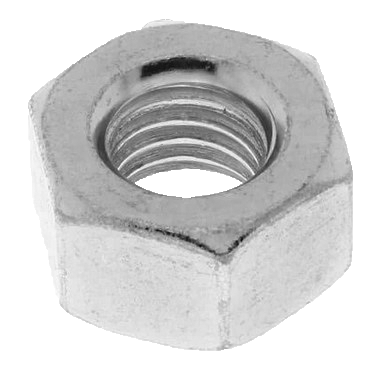
Heavy Hex Nuts
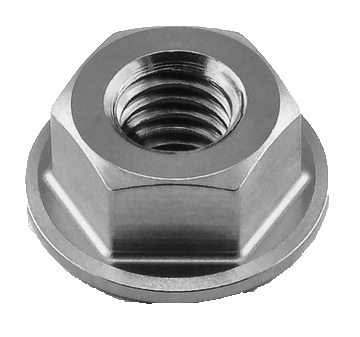
Flange Nuts
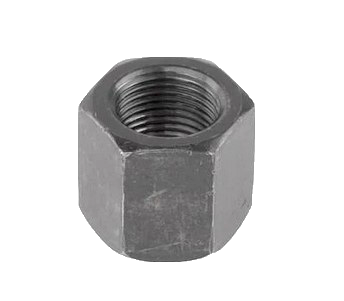
Hi Nuts
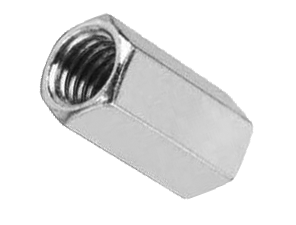
Coupling Nuts
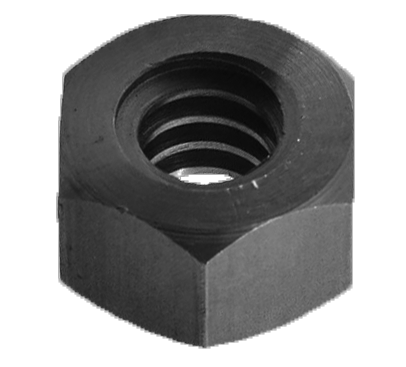
Acme Nuts
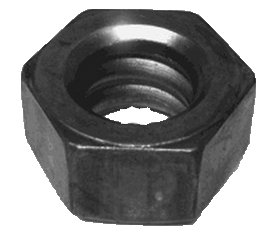
Coil Thread Nuts
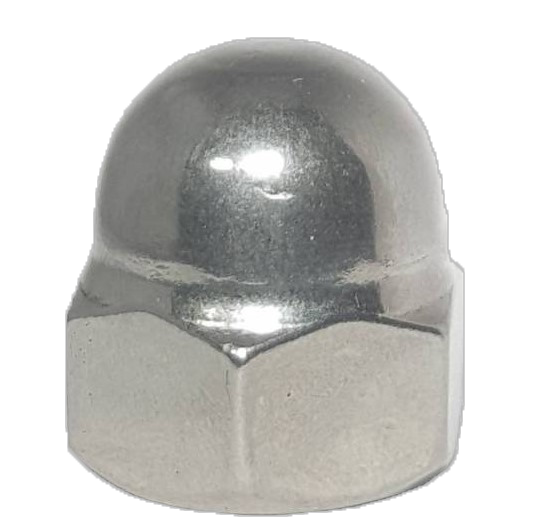
Cap Nuts
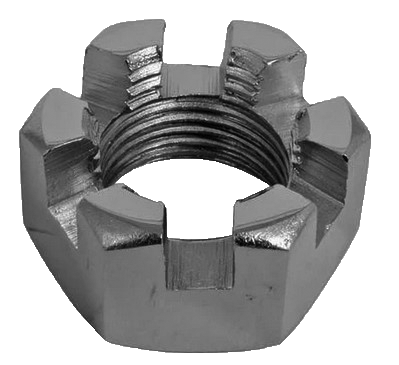
Slotted Nuts
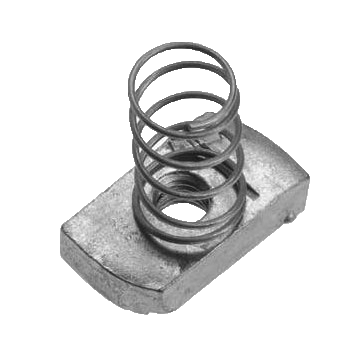
Channel Nuts
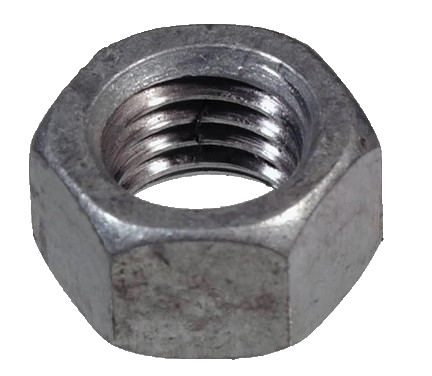
Structural Heavy Hex Nuts
Left Hand Thread Hex Nuts
Machine Screw Nuts
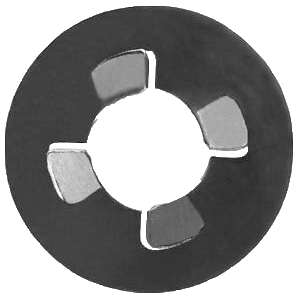
Push Nut Bolt Retainers
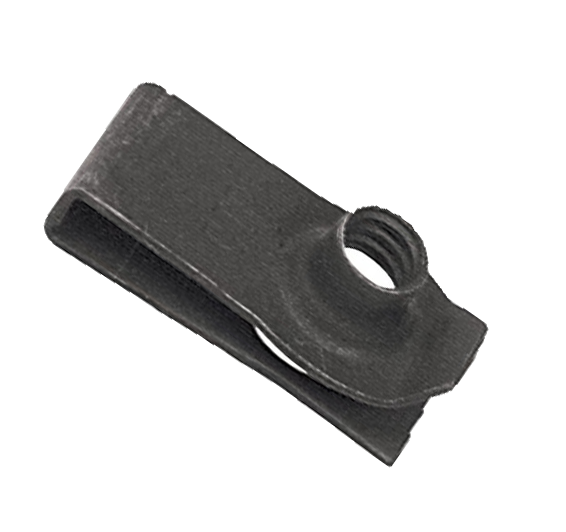
Speed Nuts
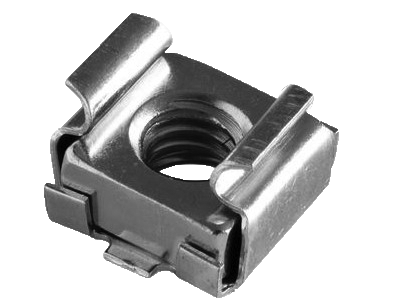
Cage Nuts
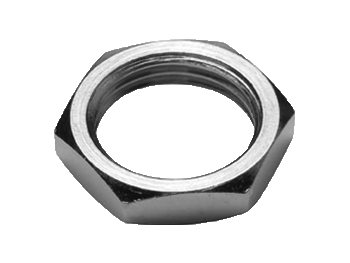
Panel Nuts
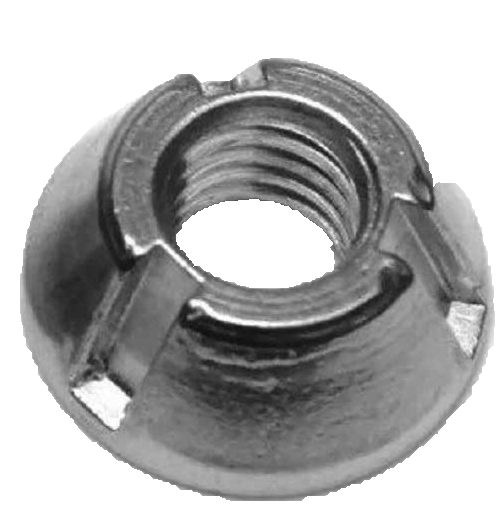
Tamper-Resistant Nuts
Joint-Connector Nuts
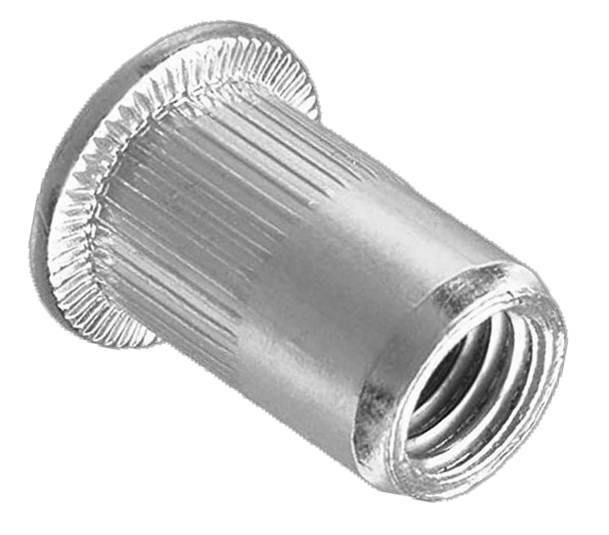
Self-Clinching Nuts
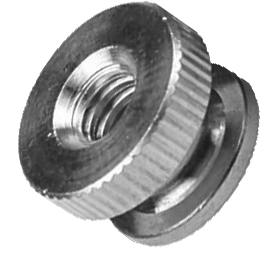
Thumb Nuts
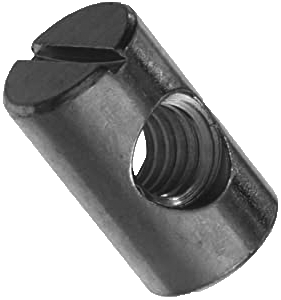
Barrel Nuts
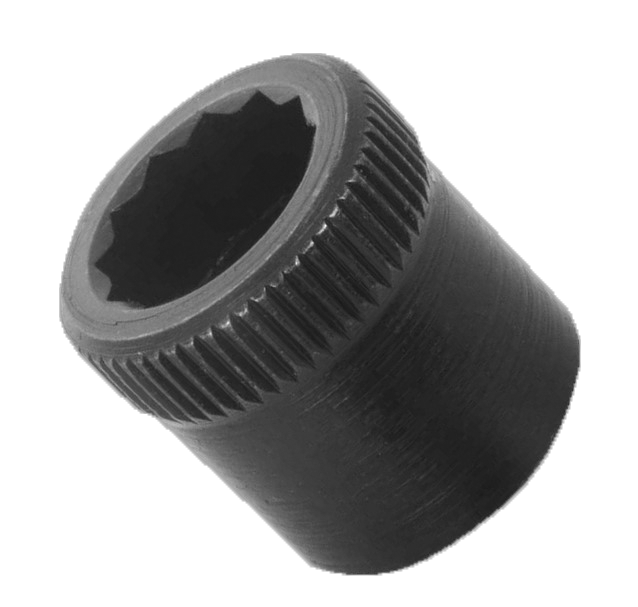
Allen Nuts
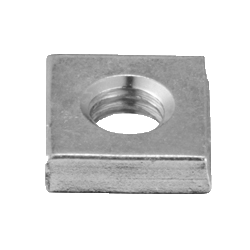
Square Nuts
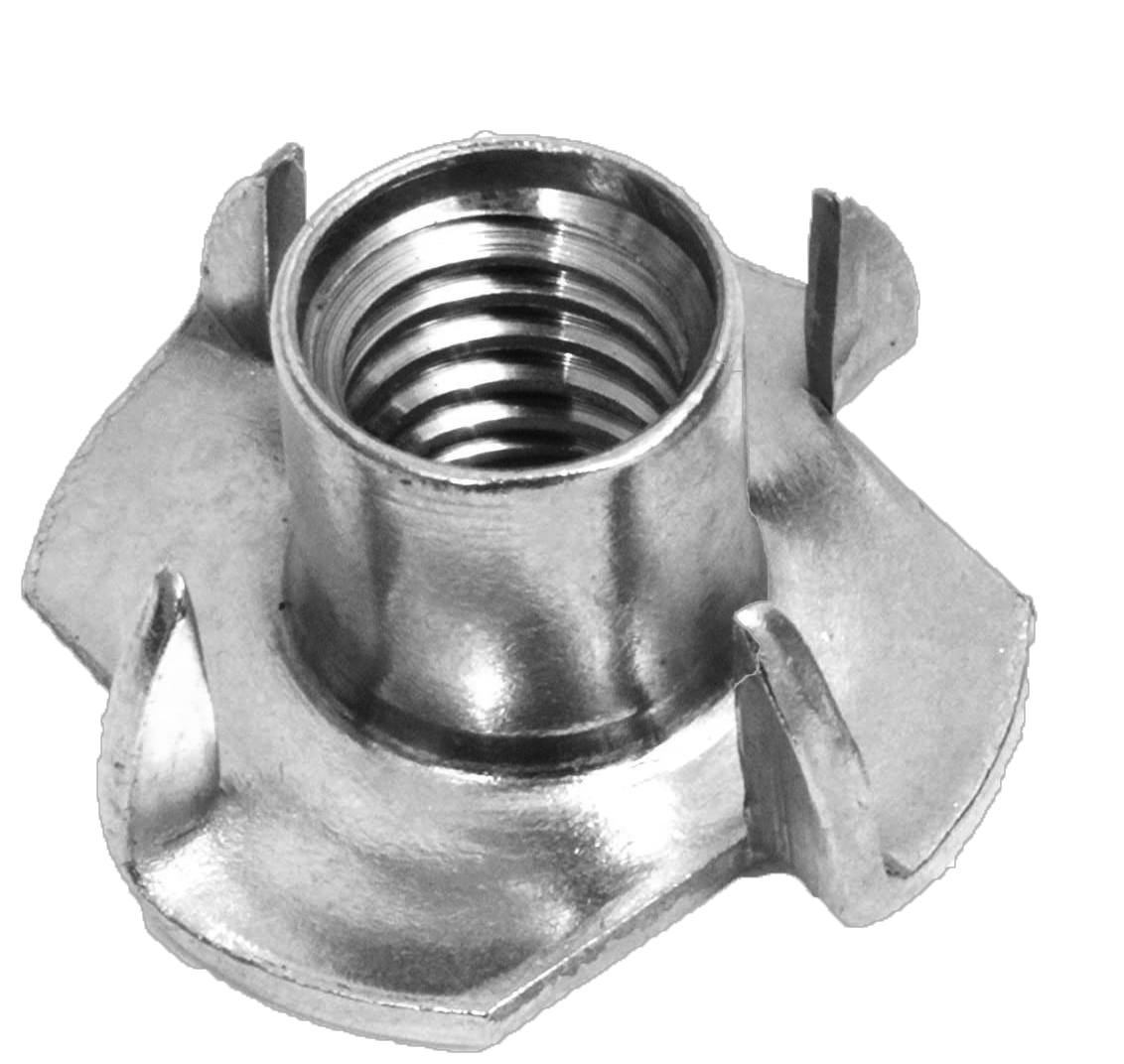
Tee Nuts
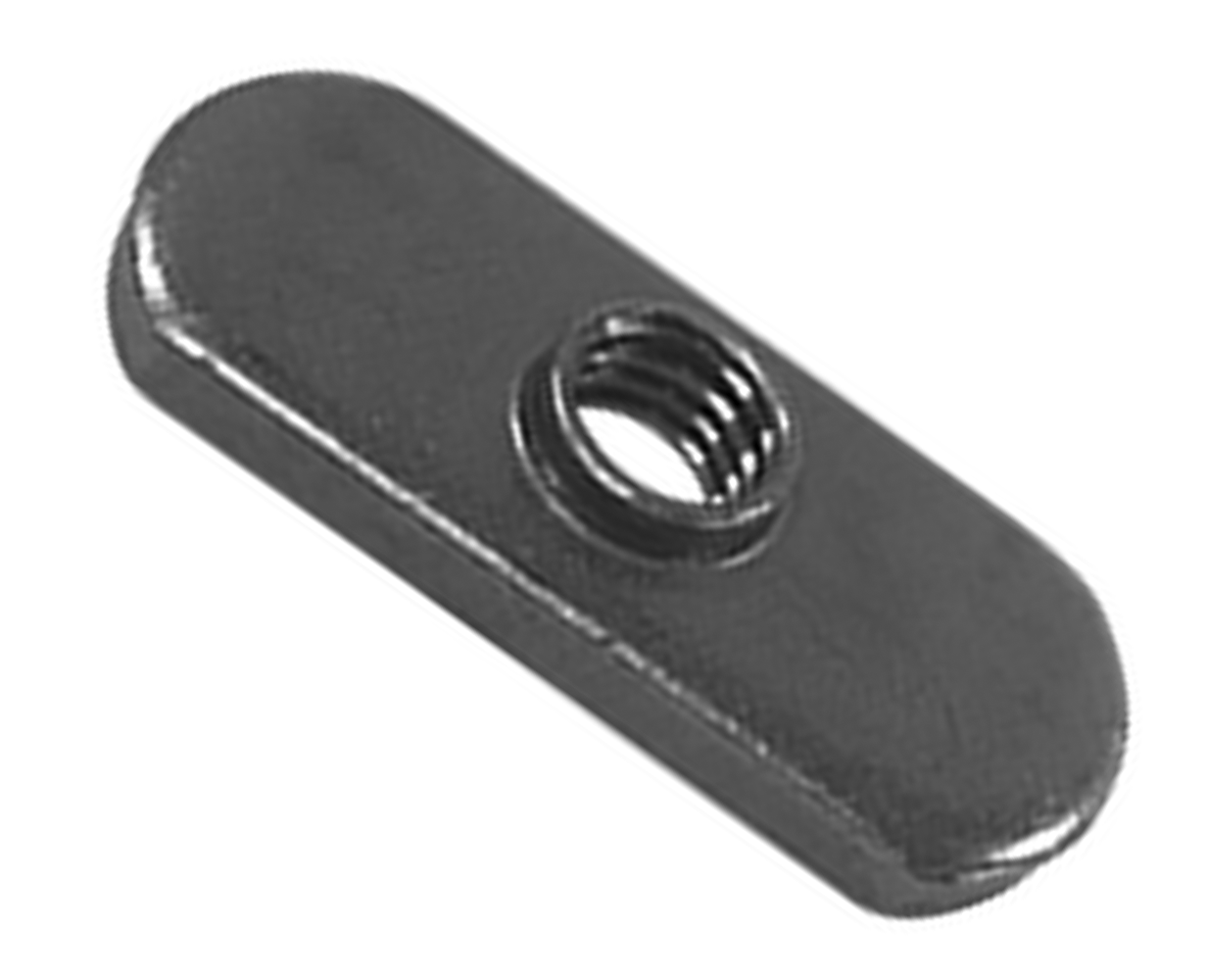
Weld Nuts — Hex, Square, Round & Specialty Weld-On Nuts
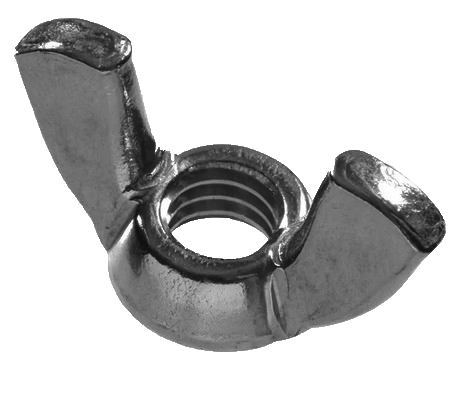
Wing Nuts
Industrial Nuts — Every Type, Material & Thread
Need a hard-to-find nut, a grade callout, or a production quantity?
Get Job Pricing / Submittals Email Sales
Include the thread size, type, material, and quantity for fastest quoting.
Types of Nuts We Stock
General-purpose & structural
- Hex Nuts — the standard finished hex nut for general bolting.
- Heavy Hex Nuts — larger, thicker bearing surface for higher loads.
- Structural Heavy Hex Nuts — A563 nuts for A325/A490 structural-steel connections.
- Hex Jam Nuts — thin nuts used to lock a primary nut or set position.
- Hi (High) Nuts — extra-tall nuts for full thread engagement.
- Machine Screw Nuts — small hex and square nuts for machine screws.
Locking & vibration-resistant
- Lock Nuts — nylon-insert (nylock), all-metal, and prevailing-torque (Stover) styles.
- Slotted & Castle Nuts — cotter-pinned nuts for positive mechanical locking.
- Speed Nuts — spring-steel push-on (Tinnerman-style) nuts.
- Tamper-Resistant Nuts — security nuts that resist removal.
Flange, joining & motion
- Flange Nuts — integrated washer face; serrated versions resist back-off.
- Coupling Nuts — long nuts that join two lengths of threaded rod.
- Acme Nuts — trapezoidal-thread nuts for lead screws and motion.
- Coil Thread Nuts — for coil-thread rod in concrete forming.
- Joint-Connector Nuts — furniture and panel connections.
- Barrel Nuts — cross-dowel nuts for furniture and equipment.
Sheet-metal & assembly
- Weld Nuts — hex, square, round and tab styles for welding to panels.
- Cage Nuts — floating nuts in a spring cage for racks and enclosures.
- Panel Nuts — thin nuts for electronics and panel mounting.
- Self-Clinching (PEM) Nuts — press-in threads for thin sheet.
- Push Nut Bolt Retainers — one-way push-on retainers.
- Tee Nuts — pronged inserts for wood and composites.
- Allen Nuts
Finishing, specialty & thread variants
- Cap & Acorn Nuts — domed nuts for a finished, safe-edge look.
- Wing Nuts — hand-tightened nuts for tool-free adjustment.
- Thumb Nuts — knurled hand-tightening nuts.
- Square Nuts — four-sided nuts for strut, masonry, and anti-rotation.
- Channel Nuts — spring nuts for strut channel.
- Left-Hand Thread Hex Nuts — for reverse-thread assemblies.
Nut Materials & Finishes
| Material / Finish | Best For |
|---|---|
| Steel, Zinc Plated | The default for general indoor and light-duty outdoor use — good strength, low cost. |
| Steel, Plain / Hot-Dip Galvanized | Plain for oiled/coated assemblies; hot-dip galvanized for structural and outdoor exposure. |
| 18-8 Stainless | Corrosion resistance for outdoor, food, and washdown environments. |
| 316 Stainless | Marine and chloride service — superior pitting resistance. |
| Silicon Bronze | Marine and architectural — excellent salt-water corrosion resistance; drop-shipped in the full range. |
| Brass | Electrical, decorative, and non-magnetic applications. |
How to Choose the Right Nut
- Match the thread. The nut’s thread size, pitch, and series (UNC coarse, UNF fine, or metric) must match the bolt exactly.
- Match the grade. Use a nut rated for your bolt’s grade — e.g., a Grade 8 bolt needs a Grade 8 (or A563 DH) nut so the nut isn’t the weak link.
- Pick the locking method for the service: nylon-insert or all-metal lock nuts and flange nuts for vibration; castle/slotted nuts with a cotter pin for positive mechanical locking; jam nuts to set position.
- Match the material to the environment. Zinc steel indoors, stainless or hot-dip galvanized outdoors, 316 or silicon bronze for marine.
Nut FAQ
What are the main types of nuts?
The most common are hex nuts (general bolting), heavy hex and structural nuts (higher loads), lock nuts (nylon-insert, all-metal, and prevailing-torque, for vibration), jam nuts (thin, for locking or position), flange nuts (built-in washer face), coupling nuts (joining threaded rod), castle and slotted nuts (cotter-pinned), and specialty types like weld, square, wing, cap, acme, and tee nuts. Each is listed above with a short description.
How do I keep a nut from vibrating loose?
Choose a locking method suited to the joint. Nylon-insert (nylock) and all-metal prevailing-torque lock nuts resist back-off by friction; serrated flange nuts bite into the surface; castle or slotted nuts with a cotter pin provide a positive mechanical lock that can’t loosen; and jam nuts lock a primary nut in place. For critical or safety joints, prevailing-torque or cotter-pinned nuts are the most reliable.
What materials and finishes are available?
Standard steel in zinc-plated and plain finishes is stocked; hot-dip galvanized, 18-8 stainless, 316 stainless, silicon bronze, and brass are available. Use zinc steel indoors, stainless or galvanized outdoors, and 316 or silicon bronze for marine and chloride environments.
What grade nut should I use with my bolt?
Match the nut grade to the bolt so the nut is at least as strong as the bolt. As a rule, a Grade 5 bolt pairs with a Grade 5 (or A563 Grade A) nut, a Grade 8 bolt with a Grade 8 (or A563 DH) nut, and metric class 8.8/10.9 bolts with class 8/10 nuts. For structural A325/A490 bolts, use A563 heavy hex nuts. Ask us if you’re unsure of the pairing.
What’s the difference between coarse and fine thread nuts?
Coarse (UNC) threads are more tolerant of damage and corrosion and install faster — the default for most work. Fine (UNF) threads have greater tensile strength and resist loosening slightly better, and are used in precision, automotive, and thin-wall applications. The nut must match the bolt’s thread series and pitch exactly. We stock both, plus metric.
Do you carry both inch and metric nuts?
Yes. We stock inch (UNC and UNF) and metric (coarse and fine) nuts across the type and material range. If a size isn’t shown online, contact us — we source specialty and hard-to-find sizes.
Do you sell nuts by the piece or only in bulk?
Both. Order a single nut for a repair or production quantities for an assembly line. Pack quantities and minimums vary by type and size — request a quote with the size, type, material, and quantity for current pricing and lead time.
Can you cross-reference a nut part number?
Yes. Send us any manufacturer, DIN, AN/MS, or legacy part number and we’ll match it to a stocked equivalent — usually the same business day — with pricing and availability.
Why Buy Nuts from Eugene Fastener
- One of the deepest nut selections in the Pacific Northwest — every common type plus the specialty and hard-to-find ones.
- Full material range — zinc and plain steel stocked; stainless, silicon bronze, and brass to order.
- By the piece or in bulk — one nut for a repair or production quantities for a line.
- Cross-reference & grade-matching help — send any part number or your bolt spec and we’ll match it.
- Since 1969 — Eugene Fastener & Supply has served Pacific Northwest manufacturers, contractors, and equipment makers for over 55 years.
Nuts are only half the joint — pair them with our bolts and cap screws, washers, and threaded rod and studs. For locking and pinned joints, see our cotter and clevis pins. Eugene Fastener & Supply has supplied Pacific Northwest manufacturers, contractors, and equipment makers with nuts, bolts, and specialty fasteners since 1969 — contact our sales team for specifications, grade matching, cross-references, or bulk pricing.